


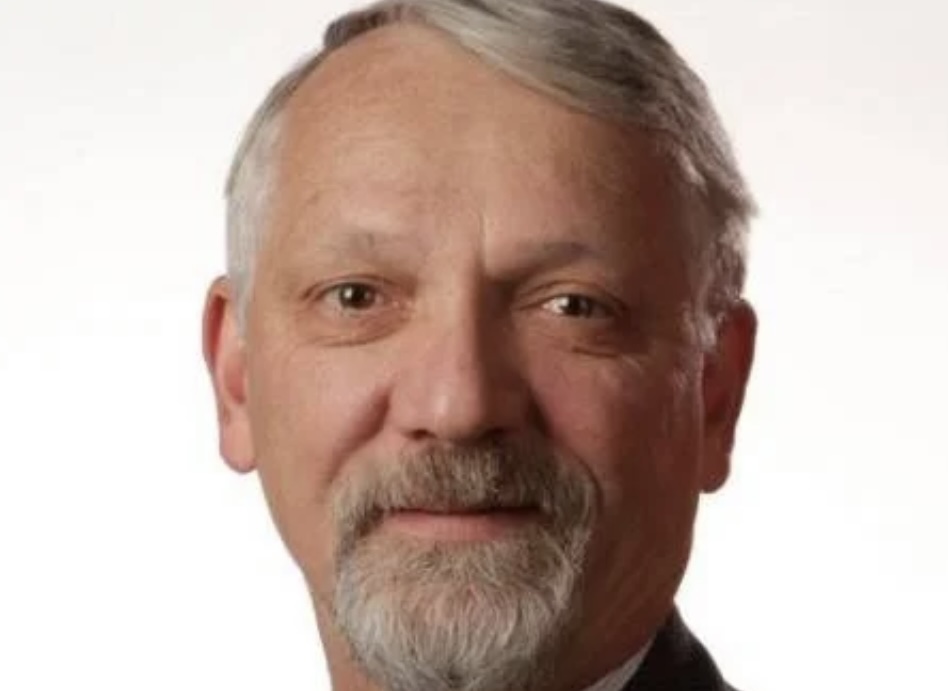
SURF CITY — Andy Pleil, retired executive from Health Economist, is eyeing one of two seats open on Surf City Town Council.
Though the council race is nonpartisan, Pleil is affiliated with the Republican party. Four candidates are running, including incumbents Hugh Cannady (U) and Jeremy Shugarts, in addition to Jillian Rodrigues de Miranda (D). Daniel Blevins also filed to run but withdrew his candidacy.
“I am a retired executive from a Fortune 100 company,” Pleil said. “I hold an undergraduate degree in pharmacy and a Masters and PhD in economics and business. I spent my career working with budgets, planning complicated programs, and conducting medical research around the world. I bring critical thinking, real-world leadership, and a data-driven approach to the table.”
Port City Daily asked all candidates a slate of questions about topics that are tracking high with voters and residents currently. Pleil’s answers have been edited only for clarity.
A few things to consider this election season:
- A valid ID is required to cast ballot in North Carolina
- Election Day is Nov. 4, 2025, with voters required to go to their assigned precinct locations
- Early voting opens Oct. 16 and closes Nov. 1, and voters can register and cast a ballot at the Cooperative Extension Auditorium, 801 S Walker St., or Surf City Community Center Gym, 201 Community Center Dr. Click here for hours.
The paywall has been dropped on candidate profiles to help voters make informed decisions ahead of the election. Candidate opinions and statements are not a reflection of Port City Daily.
Port City Daily: Why run for office now?
Andy Pleil: A 30% tax hike was unnecessary, unwarranted, and ill-timed. The current council has lost touch with the needs and priorities of the community. We need to fix the budgeting problem, restore transparency and accountability, and restore common sense, fiscal responsibility, and long-term planning to Surf City’s government. I have never run for public office. My campaign is self-funded; I have no competing interests or conflicts of interest.
PCD: The current Surf City Town Council recently approved a 30% tax increase, a decision generating significant public feedback. What is your philosophy on fiscal responsibility for a municipality? What specific strategies would you implement to ensure the town’s long-term financial health and sustainability?
AP: The town needs to budget spending to revenue anticipated, not raise taxes to support a bloated budget. Year after year, the town has underestimated revenues from all sources and budgeted spending that never happens. This results in a budget surplus, 16 million dollars at last count, money not spent but rather socked away in a reserve account that has no policy and no guidelines on how big it needs to be or how or when it should be spent.
PCD: The Surf City Town Council recently adopted a new strategic plan identifying a need to expand water and sewer capacity and address road congestion. What is your top infrastructure priority in both these areas — water/sewer and road congestion — for the town in the next four years, and how will you ensure it is funded and completed on schedule?
AP: The town consistently puts development ahead of infrastructure and scrambles to find ways to fund it. That’s backward. We cannot subsidize developers off the backs of taxpayers. Before any development project, annexation, or rezoning is approved, it needs to answer the question, how will this improve the quality of life of residents. Then, there needs to be developer-sourced funding for the infrastructure impact and costs associated with expansion.
As for traffic, it is in part a result of development. We do not have the ability to expand surface streets to the island so we need to look at ways to expedite the flow. The round-abouts are inefficient as many visitors are unfamiliar with how to use one so education is the first step.
Second, we need to use our police resources to direct flow, keep it off the side streets, and work with NCDOT to time the traffic lights on 50/210 to keep traffic moving, especially during the peak summer times.
PCD: As Surf City’s population grows, so does the demand for public services like law enforcement, fire rescue, and parks and recreation. How do you plan to ensure these departments have the resources to keep pace with the town’s growth and continue to provide a high quality of life for all residents?
AP: Public safety is a top priority. Fire and police need to be adequately funded to meet our core needs. We need to be cognizant, however, of those needs and avoid investing in nice to haves. We need to be creative in how we resource public safety in the peak tourism months through local collaboratives, partnerships with other communities and seasonal staffing.
We have one of the best park systems in our region and provide recreational opportunities for the wider community. We need to make sure that user fees adequately cover our costs and this hasn’t been happening. As we grow, we will be adding more of these facilities and it needs to be done in a systematic and rational way understanding we may not have the resources to do everything at once.
PCD: Some citizens describe beach nourishment as a temporary solution to a long-term problem. With the increasing frequency and intensity of storms, how will you address public concerns about the long-term effectiveness of the town’s coastal resilience strategy?
AP: The beach is our biggest asset. We need to take the appropriate steps to ensure its longevity. Our nourishment strategy has the support of the Army Corps of Engineers and I am relying on their expertise, and their funding, to execute on that.
We do need to routinely evaluate the beach strand condition and adapt accordingly. We also need to remain vigilant of the costs to taxpayers and plan accordingly.
PCD: Some residents are concerned the current pace and scope of development are not aligned with the town’s long-term vision. What are some actions you would support on council to ensure that future development is strategically managed to protect Surf City’s community character and serve the public’s best interests?
AP: Three questions need to be answered before any development is approved: First, how does it impact the town and its residents — does it improve their quality of life. Second, how will it be paid for and by whom. Expansion of our infrastructure is not free, and relying on future property tax revenue to make up the difference is shortsighted. Finally, every new home, business, or development adds pressure to the infrastructure. We need to have infrastructure in place before we approve the plan.
Moreover, we need to make approvals conditional, ensure compliance with our ordinances, and enforce this proactively and with significant penalties. Clear-cutting in the Coastal Forest Overlay District is not allowed yet the penalties are in the few hundred dollar rang; hardly a deterrent for the ambitious builder.
PCD: What is one other issue not discussed above that you have a plan to address if elected and how would you do so?
AP: Transparency is an issue for me. Having meetings at times when people work, approving policies, ordinances, and making important decisions using the consent agenda, and hiding the budget process in a hotel conference room 30 miles from Town are examples of a disregard of the people’s voice. That will need to change.
Want to read more from PCD? Subscribe now and then sign up for our newsletter, Wilmington Wire, and get the headlines delivered to your inbox every morning.
