


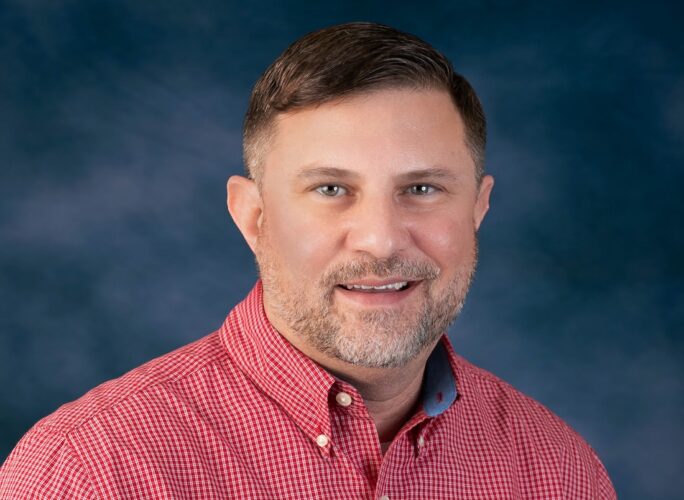
LELAND — Leland Hyer, an assistant principal for West Bladen High School, is hoping to earn a seat on Leland Town Council this election year.
It’s Hyer’s first time running for an elected position. He believes constituents need to have faith in their town officials and a “restoration of confidence” is part of his agenda.
“I care deeply about honesty, accountability, and rebuilding trust between our local government and the people it serves,” he said.
Though the council is a nonpartisan race, Hyer is affiliated with the Republican Party. Two seats are up for grabs among four more candidates, including incumbent Bill McHugh (D), and challengers Susan Waleed (D), Frank Pendleton (R), and Edgar Robbins (I). Incumbent Richard Holloman (R) also filed, however, he has dropped out of the race.
Port City Daily asked all candidates a slate of questions about topics that are tracking high with voters and residents of Leland currently. Hyer’s answers have been edited below for clarity.
A few things to consider this election season:
- A valid ID is required to cast ballot in North Carolina
- Election Day is Nov. 4, 2025, with voters required to go to their assigned precinct locations
- Early voting opens Oct. 16 and closes Nov. 1, and Leland voters can cast a ballot at the Cooperative Extension Training Room, 25 Referendum Drive, Building N, Bolivia. See the hours here.
- Anyone who wants to register to vote can do so here through Oct. 10 or register and vote in one stop during early voting
The paywall has been dropped on candidate profiles to help voters make informed decisions ahead of the election. Candidate opinions and statements are not a reflection of Port City Daily.
Port City Daily: What makes you qualified for a seat on council and sets you apart from other candidates?
Leland Hyer: I am qualified for a seat on the Leland Town Council through both my education and professional experience. I hold a Bachelor’s degree in political science and two degrees in education, which have given me a strong understanding of public policy, leadership, and community development.
As an assistant principal at a high school in Bladen County, I work every day to foster a culture of equity, respect, and shared responsibility. This experience has taught me the importance of listening, collaboration, and finding solutions that serve the whole community.
PCD: In the last year, what’s been dubbed a flooding ordinance has become a hot topic for addressing smart growth and development in Leland. Do you support it, why or why not? If not, how do you think council should address strengthening protections for homes built in or near floodplains?
LH: I do not support the most recently proposed flooding ordinance. While I agree that protecting homes and ensuring smart, responsible growth are important priorities, any new ordinance must strike a fair balance between safeguarding our community and respecting the rights of property owners. I believe the town council should work collaboratively with residents, developers, and environmental experts to develop a policy that promotes safety and resilience without placing unnecessary burdens on those who call Leland home.
PCD: What does balancing green space with development look like in your view, such as when it comes to protecting wetlands or the tree canopy? Do you have examples of cities or developments that have done this successfully and what would you like to see done in Leland?
LH: I believe responsible development must include a commitment to preserving and restoring our natural environment. Communities like Hilton Head Island, South Carolina, and Savannah, Georgia, have shown how thoughtful planning can protect tree canopies and wetlands, while still allowing for growth. I would like to see Leland adopt a comprehensive tree plan that not only protects existing trees but also restores areas where development has cleared them. A balanced approach that values both progress and preservation will keep Leland a beautiful and sustainable place to live.
PCD: In 2024, there was a 17% tax rate increase in Leland; were you in favor of this — why or why not? Do you think the current tax rate is sustainable?
LH: I would not have supported the 70% tax-rate increase that was initially discussed, though I believe a modest raise might have been in order. I believe the town should prioritize responsible budgeting and look for ways to reduce costs before asking residents to pay more.
In the future, I would focus on evaluating services, identifying efficiencies, and ensuring that every dollar is spent wisely. Fiscal responsibility must come first so that we can keep Leland affordable for families, retirees, and local businesses.
PCD: With the Cape Fear Memorial Bridge price tag escalating to more than $1 billion, how to fund it also remains debated. Both a toll has been floated and a transit sales tax, which would need voter approval potentially in a tri-county referendum that could include multiple projects in New Hanover, Pender and Brunswick counties. Do you support either and/or is there another option you think should be considered to fund the bridge replacement?
LH: I am not in favor of using taxes such as tolls or transit sales taxes to fund the Cape Fear Memorial Bridge replacement. My concern is that once such a tax is implemented, it often continues long after the original project has been paid for.
I believe funding should come from a combination of state and federal infrastructure resources rather than placing the burden on local residents and commuters. This project is critical to regional connectivity, but it must be financed in a way that is transparent, fair, and fiscally responsible.
PCD: Traffic is a main complaint for Leland residents — how do you envision the town’s role in addressing it? Do you think Leland should implement public transportation? How so? Do you think the current plan to maintain and improve the roads it owns is/will be effective — explain.
LH: I support the town’s current 5% road maintenance plan and commend the council for taking proactive steps to address local traffic concerns. Maintaining and improving the roads we already own is a responsible and effective approach to keeping traffic moving safely and efficiently.
At this time, I do not support implementing a public transportation system in Leland. Our focus should remain on improving infrastructure, coordinating with regional partners on major corridors, and ensuring that development aligns with our road capacity and long-term transportation goals.
PCD: As Leland continues to see an influx of residents, how do you think council should ensure Leland’s economy keeps pace and opportunities remain varied across all ages and types of households — how will you balance economic growth and quality of life?
LH: Leland’s continued growth presents both opportunities and responsibilities. The town council should focus on attracting a diverse range of businesses that create jobs, while also supporting small, locally owned enterprises that give our community its character. Economic development must be guided by careful planning that considers housing, infrastructure, and environmental impacts. My goal is to promote growth that strengthens our local economy without compromising the quality of life that draws people to Leland in the first place. By balancing smart development with thoughtful community investment, we can make Leland a place where residents of all ages and backgrounds can thrive.
PCD: The town has discussed its approach to promoting commercial property in Leland, with only 5% of the town’s acreage being zoned for commercial use as of last year. How important of an issue is this to you and what do you think the town should and/or should not do to promote commercial development?
LH: Expanding commercial development is important for Leland’s long-term stability and growth. With such a small percentage of land zoned for commercial use, the town council should carefully consider opportunities to attract businesses that meet community needs without compromising the character of our neighborhoods. I believe Leland should encourage responsible commercial growth by streamlining the permitting process, supporting local entrepreneurs, and identifying areas where commercial zoning can be expanded in a balanced way. Growth should serve residents first — creating local jobs, reducing the need to travel for basic goods and services, and contributing to a stronger local tax base.
PCD: What is one other issue not discussed above that you have a plan to address if elected and how would you do so?
LH: One issue I would like to address is access to healthcare in our growing community. I plan to host a series of town hall meetings to listen directly to residents about their healthcare needs, including access to facilities, barriers to care, and workforce challenges. By bringing together community members, healthcare providers, and local leaders, we can better understand where the gaps are and explore partnerships to improve access and services. A healthy community is a strong community, and I believe this is an area where Leland can show real leadership.
Want to read more from PCD? Subscribe now and then sign up for our morning newsletter, Wilmington Wire, and get the headlines delivered to your inbox every morning.
