


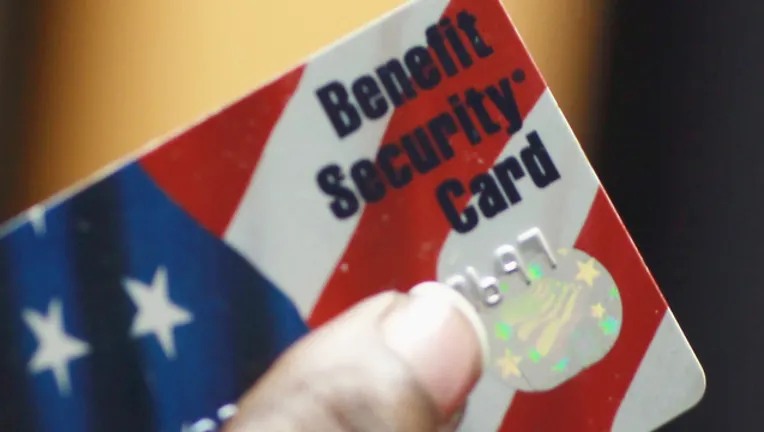
Monday, the United States Department of Agriculture and Trump administration agreed to release contingency funds to pay states partial benefits for food stamps recipients.
READ MORE: Federal judge mandates USDA use of emergency funds for SNAP
ALSO: ‘Shutdown politics’: North Carolina AG sues Trump administration over pause in SNAP benefits
The decision was made following two judges’ ruling on the funding. Massachusetts Judge Indira Talwani took up the case Friday, filed by 25 states’ attorneys general and governors contending the USDA’s choice to hold roughly $5 billion in contingency money was not legal. The Trump administration claimed the money wasn’t meant for an emergency like a government shutdown but rather natural disasters.
In her memorandum, Talwani said the USDA’s suspension of SNAP payments was based on an “erroneous conclusion.” She clarified the government is “required to use those contingency funds as necessary” for the program and ordered the use of the emergency money.
Congressionally approved, the billions will cover roughly half of the 42 million Americans on SNAP — or the Supplemental Nutrition Assistance Program — for November. It costs around $9 billion monthly to fund SNAP, with an average family of four receiving $715 per month.
Lawyers for the USDA wrote Monday in a filing for a separate case in Rhode Island:
“The U.S. Department of Agriculture is complying with the Court’s order and will fulfill its obligation to expend the full amount of SNAP contingency funds today by generating the table required for States to calculate the benefits available for each eligible household in that State.”
U.S. District Chief Judge John J. McConnell Jr. ruled in the Rhode Island case, executed against the USDA from food organizations and churches, the USDA could pay SNAP one of two ways. One, it could offer full benefit payments by supplementing the money from Section 32 Child Nutrition Program funds and other unspecified funds. This would be required to be paid out by the end of day Monday, Nov. 3.
The other option was to submit partial payments from the contingency pot of money by Wednesday, Nov. 5. The USDA chose the latter, explaining accessing Section 32 funding would “wipe out” the tranche of money and by proxy affect 29 million students who receive free school meals.
Regardless of the ruling, SNAP recipients should expect delays on funding this month as it will require recoding the system to allow for reduced allocations and processing EBT cards at the state level. The federal government said it could take “anywhere from a few weeks to up to several months.”
Some states have picked up the tab for recipients to continue getting benefits uninterrupted, including Virginia and New Hampshire, though the Trump administration said it would not reimburse the states. Other states, like in North Carolina, have helped provide more money to food banks and organizations that focus on food-insecurity.
SNAP funding is in peril due to the government shutdown, with both Republicans and Democrats blaming each party for perpetuating it further, as the shutdown reaches month two. The Democrats have not passed a budget spending bill after 13 votes, due to Medicaid and Obamacare subsidy cuts on the line. Republicans have claimed it would take up the issues separately after the government is reopen, but the Democrats aren’t budging, citing distrust with the GOP’s promises.
Want to read more from PCD? Subscribe now and then sign up for our morning newsletter, Wilmington Wire, and get the headlines delivered to your inbox every morning.
