


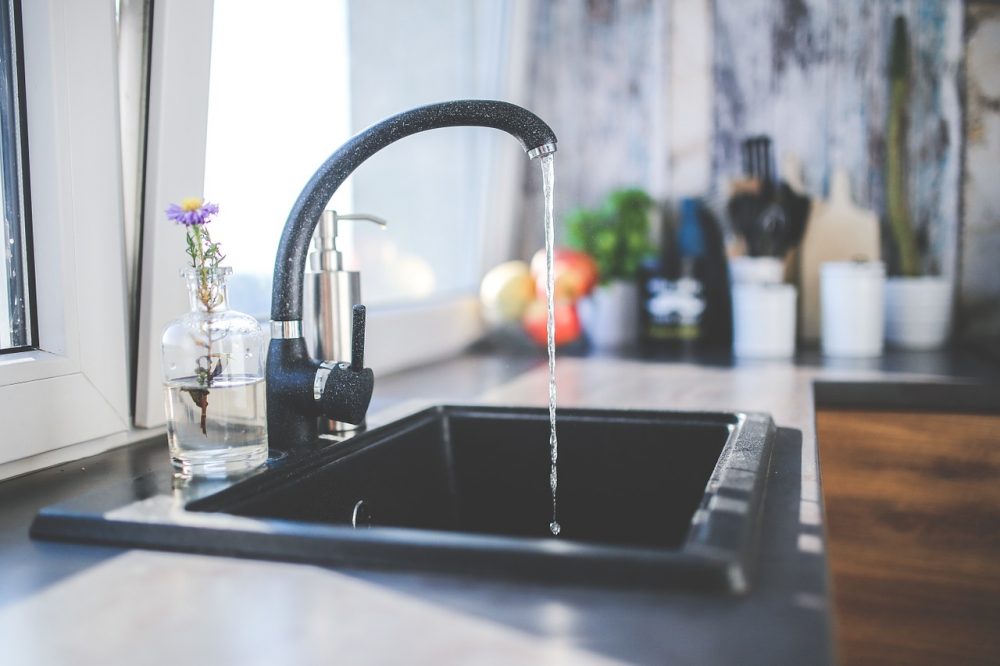
BRUNSWICK COUNTY — Brunswick County residents can expect a temporary change to their water’s taste, smell, and appearance as the county begins its annual flushing of its water system.
READ MORE: Town of Leland begins major roadway resurfacing program
Brunswick County Public Utilities has announced its annual water main flushing program, which will take place from October 7 through November. The program, a regular maintenance effort, is conducted in partnership with local towns and utilities who purchase water from the county.
During this period, crews will flush over 1,440 miles of water lines and more than 7,789 fire hydrants to clear out sediment. As a result of the process, residents may temporarily notice water discoloration or sediment appearing in their water. These conditions are not harmful and are expected to be temporary.
In conjunction with the flushing, the county will temporarily switch its primary disinfectant from combined chlorine (chloramines) to uncombined “free chlorine.” This change, required by the North Carolina Department of Environmental Quality, is a preventive measure to improve disinfection and remove bacteria from the water system that can cause taste and odor issues.
Residents might notice a change in the taste or smell of their tap water due to the use of free chlorine. For those sensitive to the taste, a solution is to keep an open container of water in the refrigerator, allowing the chlorine to naturally dissipate. Water in refrigerated containers should be changed weekly.
Owners of aquariums or ponds should test their water for chlorine before adding it to their aquatic environments, as chemical additives are needed to remove both free chlorine and chloramines. Additionally, kidney dialysis clinics and individuals using home dialysis equipment should be aware of this change in the water treatment process.
Want to read more from PCD? Subscribe now and then sign up for our morning newsletter, Wilmington Wire, and get the headlines delivered to your inbox every morning.
