


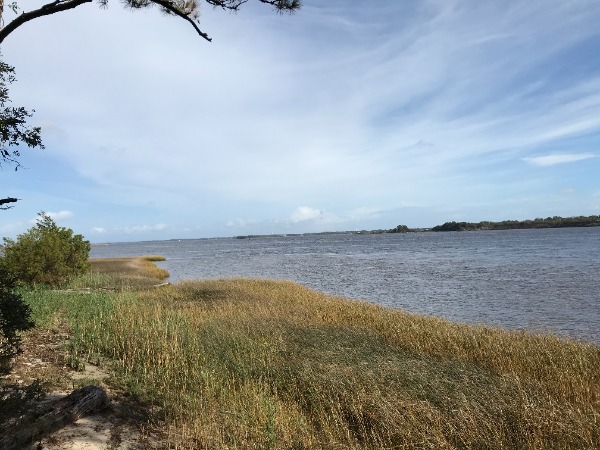
BRUNSWICK COUNTY — An historic site along the Cape Fear River was granted a couple million dollars to help support shoreline restoration.
Brunswick Town/Fort Anderson (BTFA) State Historic site, located in Winnabow, has experienced significant shoreline erosion in recent years, contributing to loss of habitat and increased flooding. This is due to both severe weather and increased vessel traffic along the river increasing wakes daily.
To help improve its coastal resiliency, the N.C. Department of Natural and Cultural Resources (DNCR) awarded the site a $2.5-million grant from the National Oceanic and Atmospheric Administration (NOAA).
According to Michelle Lanier, director of North Carolina Historic Sites the site has lost are a dozen acres over the last 81 years.
“The good news is, since 2017, Brunswick Town’s living shoreline has become a national model for coastal resiliency,” she said in a release.
The funds will be put toward the installation of wave attenuators, to reduce wave action and by proxy protect against erosion. This will improve growth of natural habitats and safeguard historical resources still buried at the site.
Fort Anderson is a 19th-century earthen fort once located in the colonial town of Brunswick and used as a Confederate fort during the Civil War. The site is under the purview of the North Carolina Department of Natural and Cultural Resources, has been used during filming of the TV show “Sleepy Hollow,” and includes outdoor trail and excavated ruins.
“A major pre-Revolutionary port on North Carolina’s Cape Fear River, Brunswick was razed by British troops in 1776 and was never rebuilt,” according to a release. “:”During the Civil War, Fort Anderson was constructed atop the old village site, and served as part of the Cape Fear River defenses below Wilmington before the fall of the Confederacy.”
According to a release from DNCR, the BTFA Shoreline Restoration Project is a collaborative effort between with UNC Wilmington and the N.C. Division of Coastal Management.
“It is important to protect both our state’s rich history and its cultural resources,” Congressman David Rouzer, who worked with NCDOR to secure the federal funding, said in a release. “By investing in these shoreline restoration and resiliency efforts, we’re not only preserving important history, but also better protecting this historic shoreline and the surrounding community from future natural disasters.”
Want to read more from PCD? Subscribe now and then sign up for our newsletter, Wilmington Wire, and get the headlines delivered to your inbox every morning.
