


Wilmington-area governments are highlighting the role that film plays in their economies just as industry supporters and local officials descend on Raleigh to lobby for, among other things, extending the state’s expiring film tax credit.
Wilmington Mayor Bill Saffo and city councilman Earl Sheridan are among those in Raleigh today for Town Hall Day, an annual opportunity for local governments to meet with legislators during sessions of the General Assembly.
A memo from the City of Wilmington states Saffo and Sheridan will be emphasizing the impact of a recent repeal of city governments’ authority to charge a business privilege license tax, among other concerns facing the city. The memo states Saffo will also be highlighting the film incentive in a press conference with Rep. Susi Hamilton (D-New Hanover).
A notice from Hamilton states they’ll be joined by film executives from Disney, HBO and 20th Century Fox, as well as other elected officials and members of the North Carolina Production Alliance—a group advocating for the incentive’s extension.
“The press conference is to promote the thousands of jobs across North Carolina that depend on film incentives and the economic benefits they provide to the state,” the notice from Hamilton’s office states.
Hamilton is among several House members behind a bill that would extend the incentive by eliminating its existing sunset clause, which calls for the credit to expire this year, and increase the minimum amount that productions must spend to qualify for the credit to $300,000.
The state currently offers a 25 percent refundable tax credit on qualifying expenses above $250,000, with a maximum allowable credit per production of $20 million. A competing bill filed in the Senate would cap that maximum at $6 million and increase the minimum requirement to $1 million.
Hamilton has said those proposals would significantly impact filming in the state.
“A million-dollar required spend is excessive,” Hamilton said, “and it would rule out small feature films and smaller productions that have been some of our bread and butter over the years, especially when our incentive was not competitive. Dropping the cap that dramatically is problematic as well.”
Industry supporters have stressed the impacts of filming on local and state economies. While a state legislative review found errors in a study commissioned by the industry to gauge its economic impacts, supporters maintain those impacts are evident in the local spending by productions in communities.
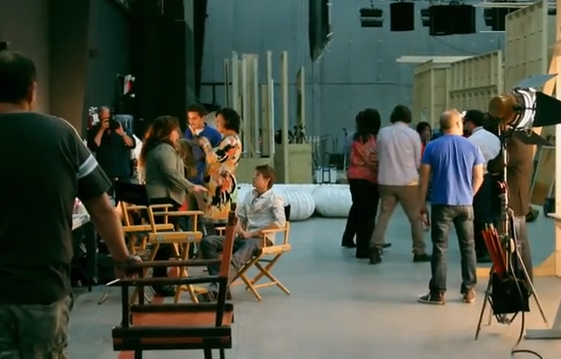
To visualize that point, a group of local industry professionals produced a video to further promote the incentive. The two-minute video, entitled “Positive Impact: Keep the NC Film Incentives,” can be viewed here.
And New Hanover County government has produced its own video highlighting the industry’s impact on the community. Featuring interviews with Johnny Griffin, director of the Wilmington Regional Film Commission, and several local business owners, the 14-minute video can be viewed on the county’s television channel and on its YouTube channel.
Related stories:
- Film incentive hangs in balance as legislative session gets underway
- Film supporters rally to continue tax incentive
- State review finds errors in film incentive impact study
Jonathan Spiers is a reporter for Port City Daily. He can be reached at (910) 772-6313 or [email protected]. On Twitter: @jrspiers
