


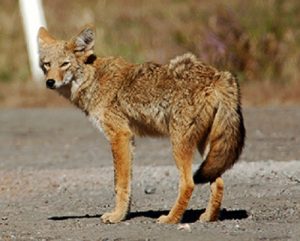
BRUNSWICK COUNTY — In recent years, there has been an uptick of coyote sightings in the Cape Fear region. While these predators typically don’t bother humans, they can be a nuisance, especially to pets, livestock and wild game.
In attempt to peacefully resolve interactions between coyotes and humans, biologists from the North Carolina Wildlife Resources Commission will host a series of workshops across the state, aimed at teaching residents about this animal’s biology and behavior.
These workshops will also focus on “practical, non-lethal methods to prevent/reduce coyote conflict,” as well as covering the laws and regulations relating to hunting and trapping coyotes. The workshops will be led by biologists with the commission.
Following each workshop, there will be a question and answer session with the biologists, as well as demonstrations of basic trapping techniques to address problem animals by an official trapper for the USDA.
The workshops will run statewide from July through September, and will make its way to Brunswick County Cooperative Extension Center in Bolivia, located at 25 Referendum Drive, NE, on Tuesday, Sept. 19. The workshop will run from 6 – 9 p.m.
Coyote interaction
According to the WRC, these animals, often described as a “mangy looking dogs,” were once only found in the midwest region of the United States.
But, as European settlers, and later American citizens, spread throughout North America, they all but wiped out the coyotes’ main competition, the wolf. This allowed coyotes to spread to regions previously unreachable by the species, including North Carolina.
“There’s a misconception that our agency actually turned coyotes loose to control the deer population, but that’s just not the case.”
John Henry Harrelson, a biologist with the WRC, says these predators can now be found in all 100 of the state’s counties.
“There’s been a natural progression of coyote movement from the south and from the west over the past few years,” Harrelson said. “Part of these programs is to educate the public on why we have them, and how they got here. There’s a misconception that our agency actually turned coyotes loose to control the deer population, but that’s just not the case.”
One of the main problems residents have with these animals is their interactions with pets.
“Coyotes are wild animals, and being canids, they don’t necessarily get along with other canids,” Harrelson said. “So, they may see your dog as potential prey, or a potential threat to them in their hierarchy and dominance. We need to educate people that if you let your little dog or cat loose, and you have coyotes around, they may not come home. You as a pet owner, have to take responsibility for your animal’s safety, and that’s part of this program.”
It’s important to note that coyotes, like other canines, can carry sickness and disease, like distemper, heart worm and the rabies virus.
“The whole point of these workshops is to let people know that we have coyotes, and we have to live with them,” Harrelson said. “They’re gonna be in places like towns and cities, they’re very adaptable animals.”
As development steadily increases across the state, people can expect more and more run-ins with these animals. The Coyote Management workshops are free to attend, but space is limited, so reserve your spot ahead of time.
For more information, and to reserve your seat, visit the NCWRC website at ncwildlife.org.
Get in touch with Reporter Cory Mannion: follow him on Facebook, Twitter, or send an email at cory@localvoicemedia.com.
