


WILMINGTON — There are unique touches throughout the Cape Fear Museum’s new digs on Grace Street. Haikus are written by staff to accompany information about area creatures, local voices can be heard over films about Wilmington’s history, and research conducted by area historians and scientists alike appear in multiple galleries, with every exhibit offering an interactive aspect.
“This is all about the people of the region,” Kate Baillon, museum director, said during a media tour of the new three-story building which doubles exhibition space from its former Market Street location. “We’re telling the story of this community.”
The museum is part of the $77 million Project Grace — a combined library and museum buildout done by Cape Fear Development, Monteith Construction and LS3P Architect. It shares 95,000 square feet with the New Hanover County Main Library branch, which opened last fall.
READ MORE: More than books: Look inside the new downtown library
ALSO: NHC commissioners approve $21.5M in direct costs for Project Grace
The cost was anticipated to be $55.9 million, but in April the board of commissioners approved $21.5 million in additional funding for exhibit design and fabrication, equipment, and fixtures. The build out for the exhibits costs $12.5 million.
“I do remember the old museum with the big wooden doors and the field trips taken there,” Commissioner Stephanie Walker recalled during Monday’s ribbon-cutting. “I don’t think the doors made it over but that’s alright … this is beautiful. I appreciate all the work that went into this, the labor of love.”

Commissioner Rob Zapple remembered when a new museum was first discussed 12 years ago, calling the unveiling equivalent to a “Cadillac or Jaguar.”
“You have the best!” he said. “Every item has a story behind it. … It’s all grounded in real people.”
Hundreds of artifacts — around 400, in fact — are peppered throughout the space and all six exhibits have a hands-on component.
“People learn by doing,” Baillon said during a media tour last week.
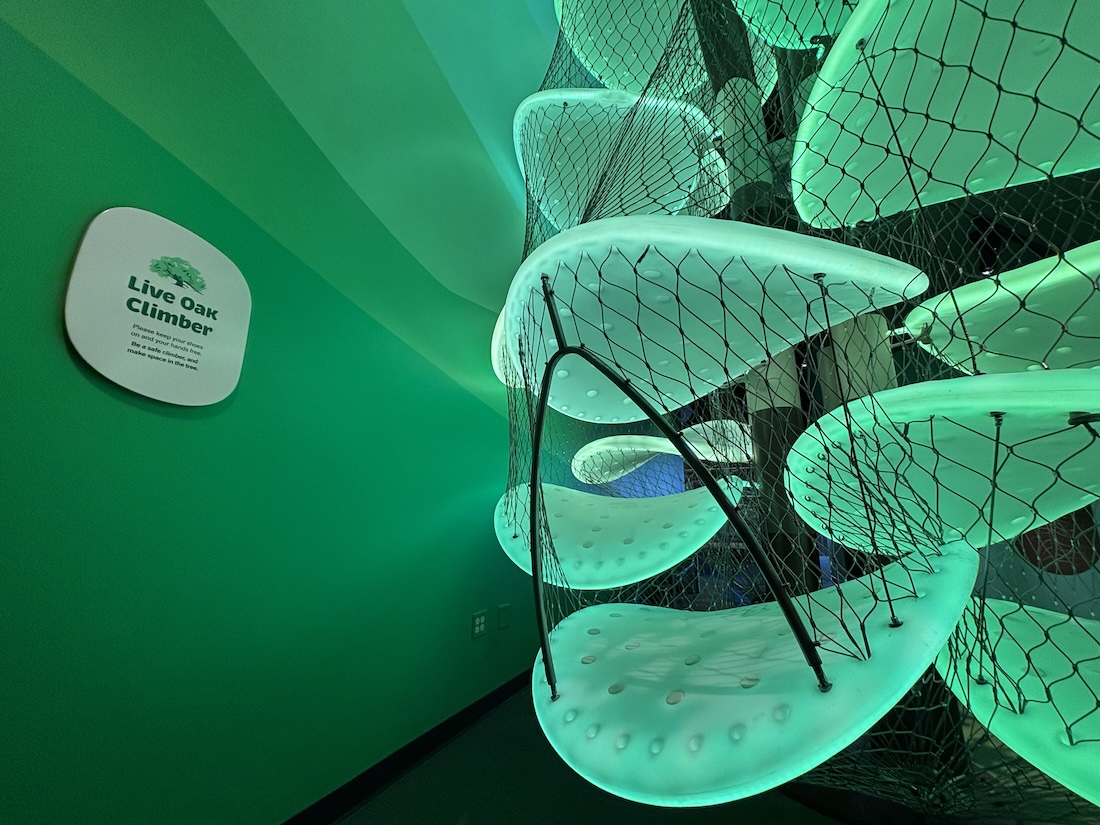
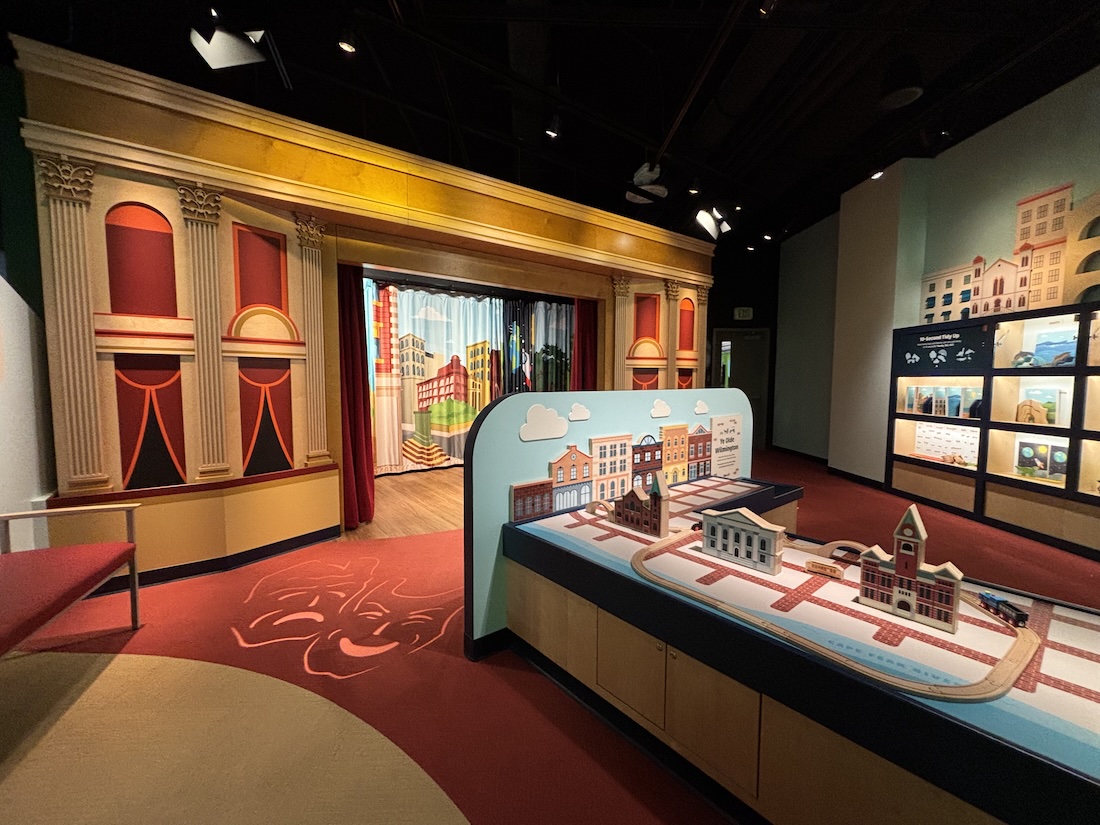
In Cape Fear Play kids’ area, children can scale large illuminated “leaves” of the Live Oak Climber, reaching upward of 45 feet, from the second to the third floor (netted, of course, for safety). A replica of Thalian Hall’s stage welcomes performers to dress up in costume, change the backdrop, and engage in various sounds and props, as if putting on a production.
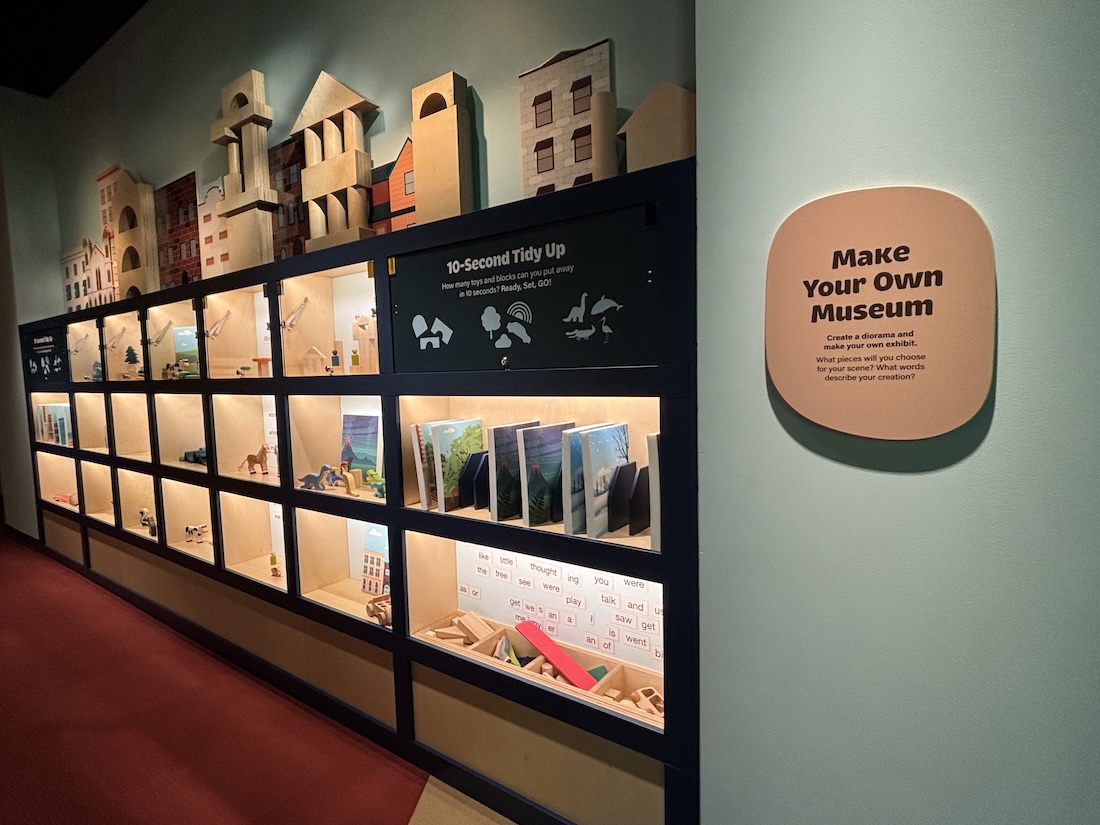
Nearby is the Cypress Swamp for the little ones to interact and even host puppet shows, while learning about Wilmington’s environment. There is also a “build your own exhibit” featured in a wall of cubbies.
“It’s basically our content from our other galleries, made approachable to younger audiences,” Baillon said.
However, adults can engage, too. The third floor has plenty of STEM activities. In fact, Baillon said this museum has “a much larger focus on science,” noting the previous location locked in more on the history side.
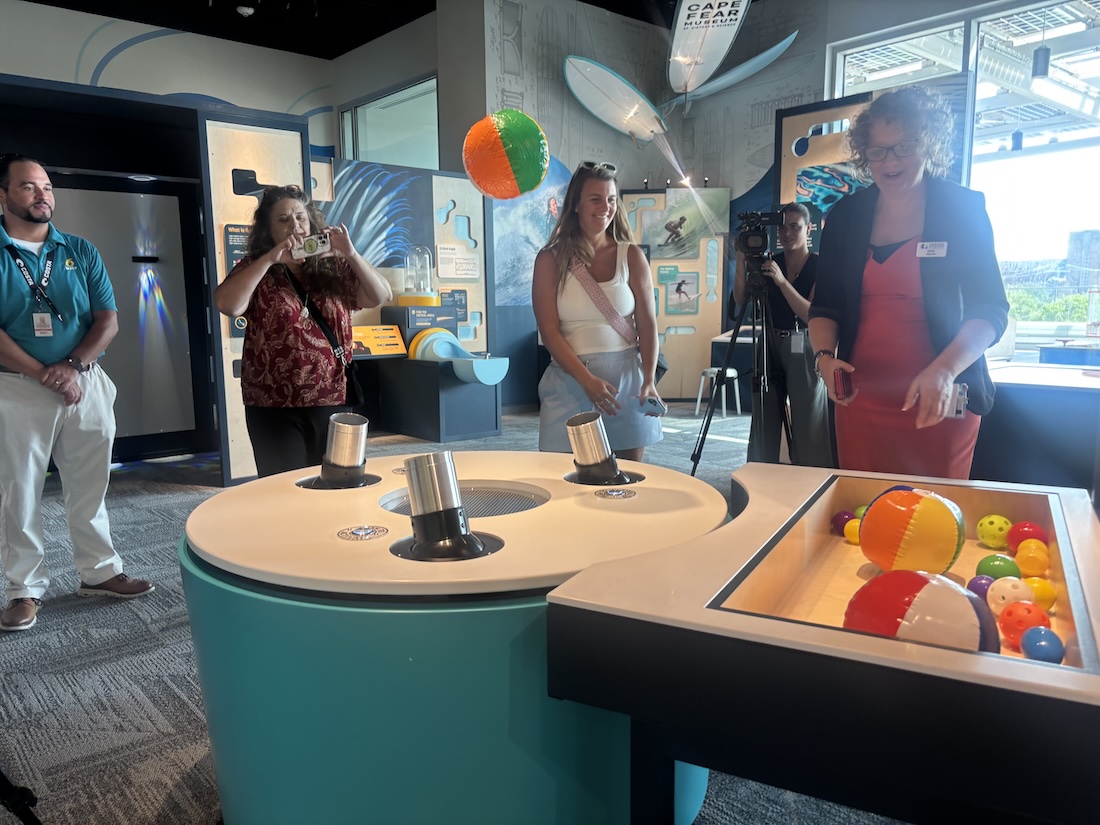
Visitors can manipulate environmental properties like water and air, with one exhibit prodding the perfect balance of floating balls made of varied materials, from a beach ball to a hollow plastic ball. Alternative energy, like wind and solar can be explored, including one exhibit allowing play on windmill engineering.
Another encourages the creation of circuit board. The museum worked with GE Hitachi, which has headquarters in Wilmington, to explore nuclear energy, too.
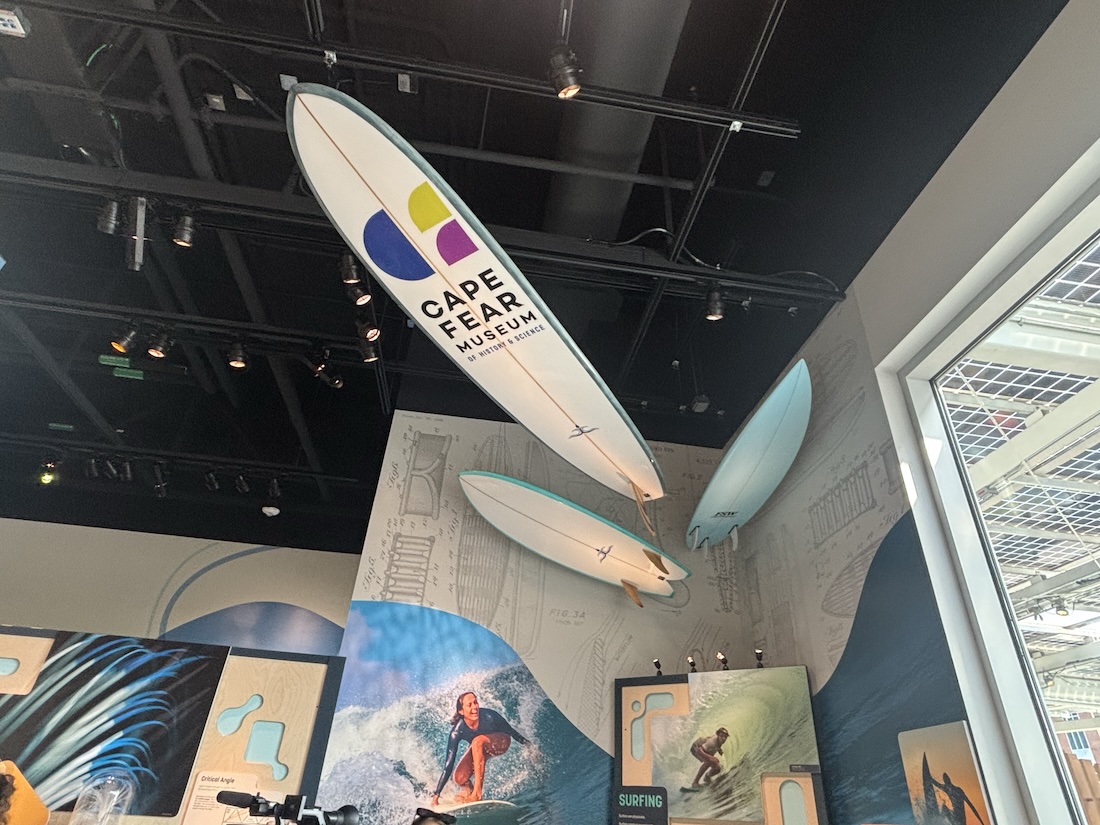
There is also a create-your-own surfboard area, with help from UNCW, and a fiber-optic interactive exhibition, as installed with the help of local tech company Corning, which specializes in glass, ceramics and optical physics. They donated $200,000 as part of the Invest in Grace campaign, along with Novant Health’s $200,000 toward the Science Matters exhibit.
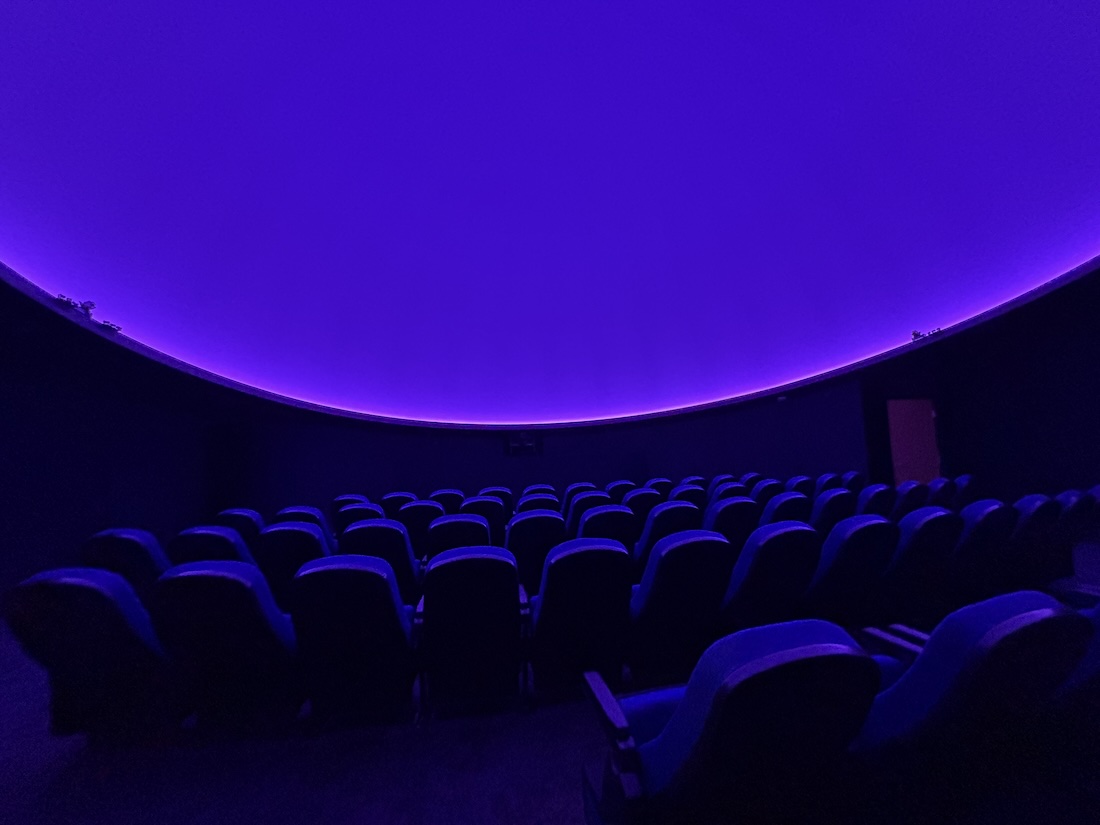
nCino contributed $160,000 over four years to sponsor the 60-seat planetarium on the museum’s first floor. There will be daily screenings featuring educational films on worldwide wonders, from the solar system to the natural environment — programming that can also align with curricula from school groups who take museum field trips.
History comes to life on the first two floors, featuring the people, places and environment of the region in Cape Fear Stories.
“We had listening sessions with people in the community in 2019,” historian Jan Davidson said, adding the new museum features input from faith leaders, African Americans, scholars from UNCW and UNC Pembroke, UNCW geology lecturer Roger Shew and local meteorologist Tim Armstrong, among others. “They help us shape our story.”
People can explore the history in chronological order on the first floor, starting with the famed 15-foot-tall ground sloth from the prehistoric era to the Waccamaw Siouans settling in region to the effects of colonization. The exhibit tracks the Civil War at Fort Fisher, into the late 1800s Reconstruction and growth in Wilmington.
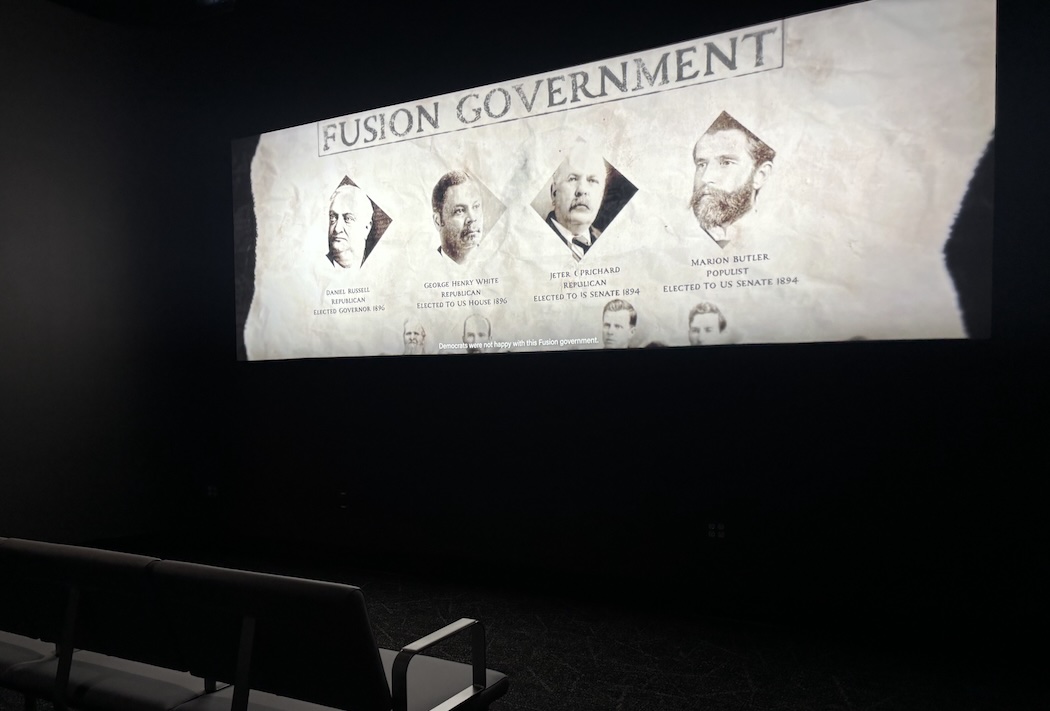
Exhibits are also highlighted by voices familiar to the area, such as the arts council CEO Rhonda Bellamy, who narrates a screening about the 1898 Coup and Massacre, explaining how white supremacists led a charge of violence against Black residents of Wilmington. This eventually changed its political makeup, and social and business landscape for a century. The screening features drawings that include imagery from the museum’s collection.
The Civil Rights Movement is also tackled with Dr. Ben Chavez discussing in a 4-minute video the racial tension in New Hanover County Schools in the early ‘70s and the background on the Wilmington Ten.
From voting rights, showing decommissioned voting machines, to the Covid-19 years, featuring masks and vaccine vials, to Black Lives Matters protests, the museum moves into the modern era.
“It’s more recent than what we would normally do,” Baillon said, “but 2020 was a transformative year. I don’t think anyone will forget the summer of Covid — it reshaped our community in a lot of ways.”
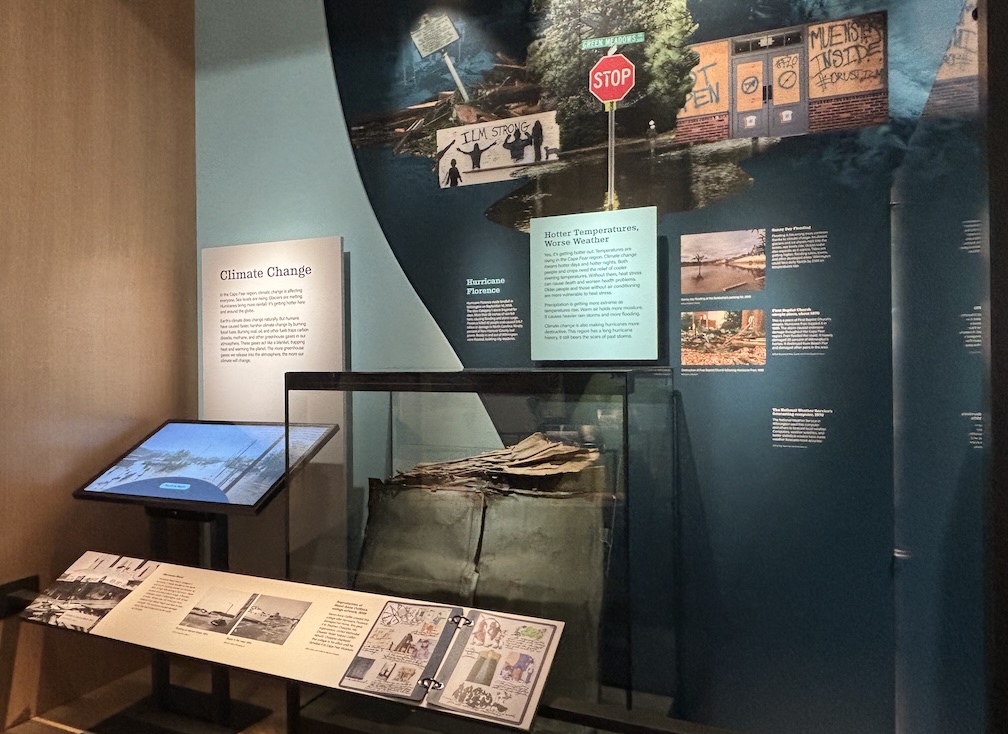
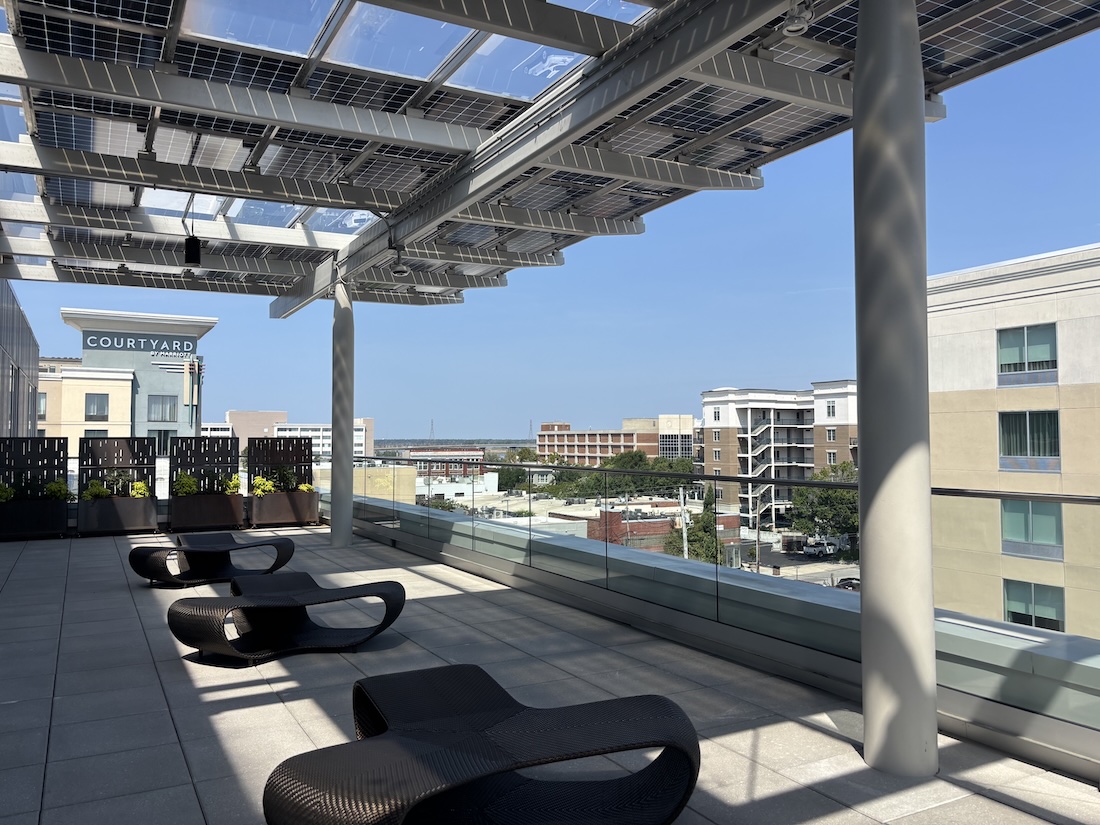
Climate and arts are included, too, both having a large impact on the area. The museum covers Hurricane Florence’s effect on the region in 2018, to the wonderment of ghost forests — caused by trees that die in marsh areas due to saltwater. Visitors can also see a mini installation of ghost trees on the third-floor terrace overlooking Third and Grace streets.
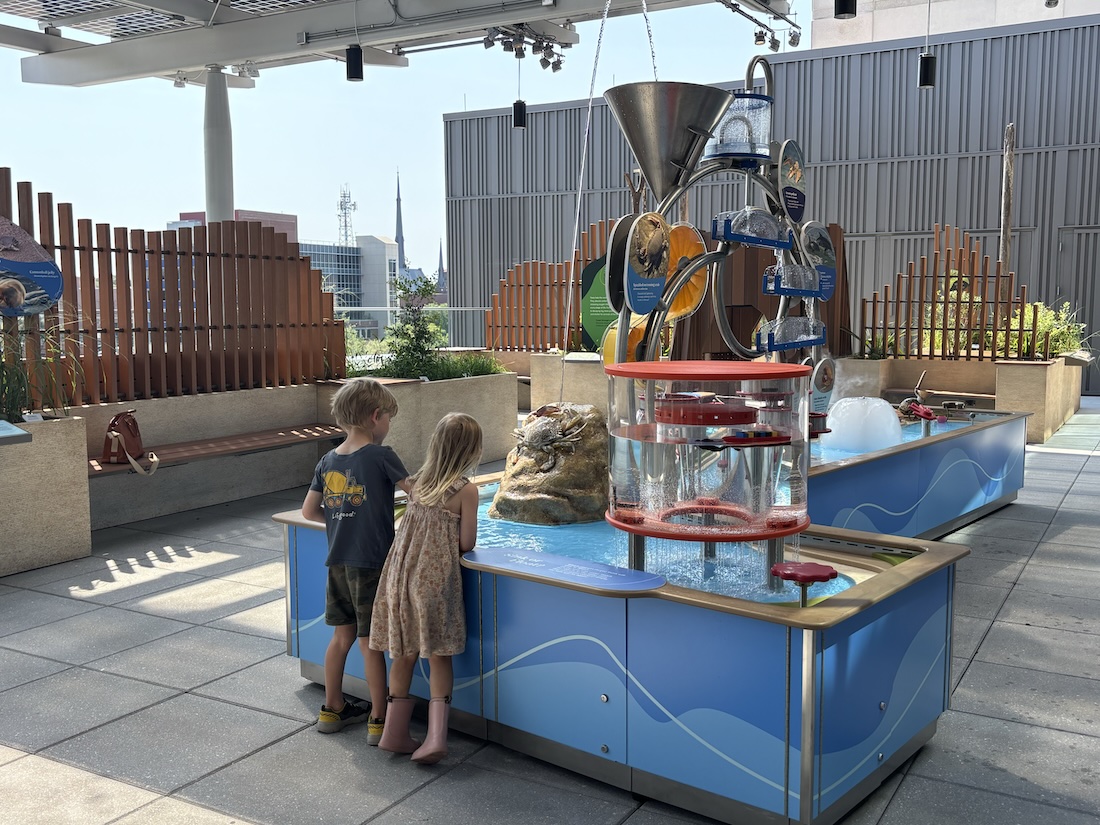
In the outdoor gallery, Curious Nature — which the New Hanover County Extension helped curate — a water table showcases how waterways flow. Also featured are staff-written haikus about area creatures — such as the Atlantic ghost crab — denoting how they add to the ecosystem:
“Swift-footed phantom
“A burrow-dweller by day
“Takes meals by moonlight.”
Arts, too, garner focus — as seen with film industry regalia featuring sets and props from “One Tree Hill” and “Dawson’s Creek.” The famed blue cape from “Blue Velvet” and the “Teenage Mutant Ninja Turtles” prosthetics from the ‘80s films both are on display, having rolled cameras in the region.
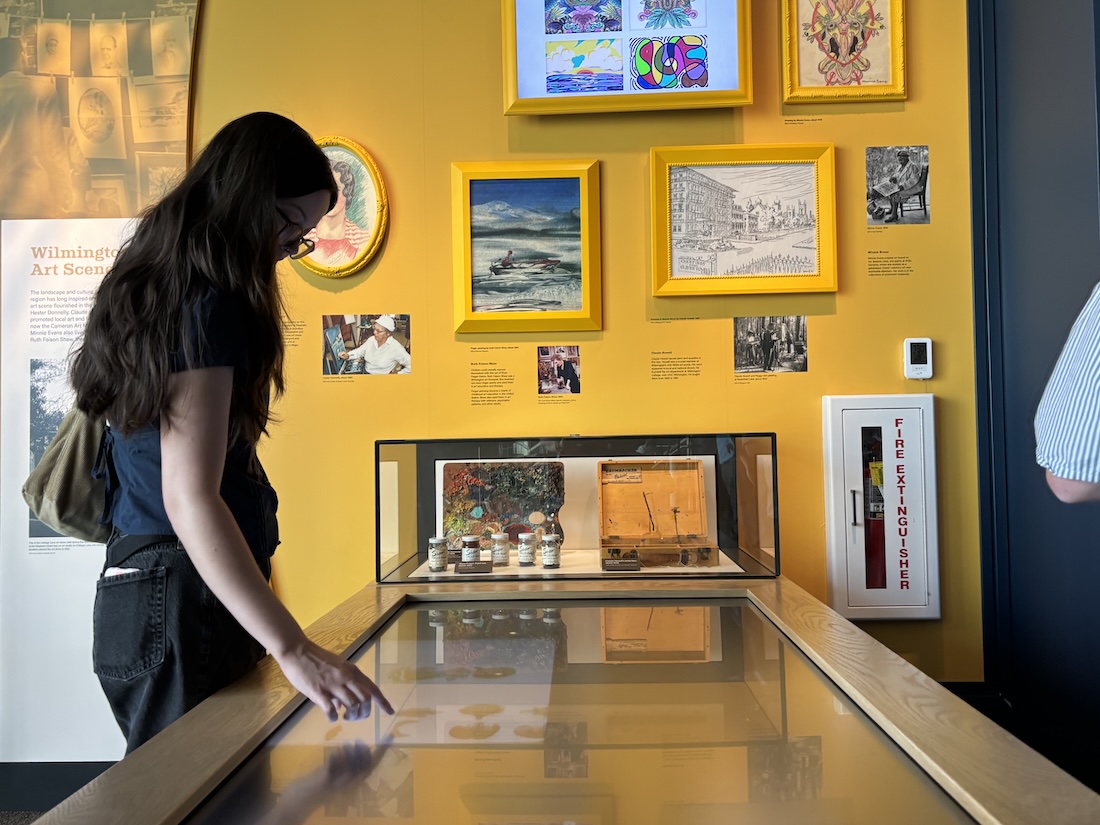
Minnie Evans, a renowned local artist from the 19th century and who was the gatekeeper at Airlie, has artwork featured as part of a collaboration with Cameron Art Museum. Celebrated American painter and icon on Wilmington’s arts scene, Claude Howell, also has brushes on display.
Visitors can create their own artwork on a table-top screen and once complete, the finished product illuminates on the wall. They can send it to themselves for posterity, too.
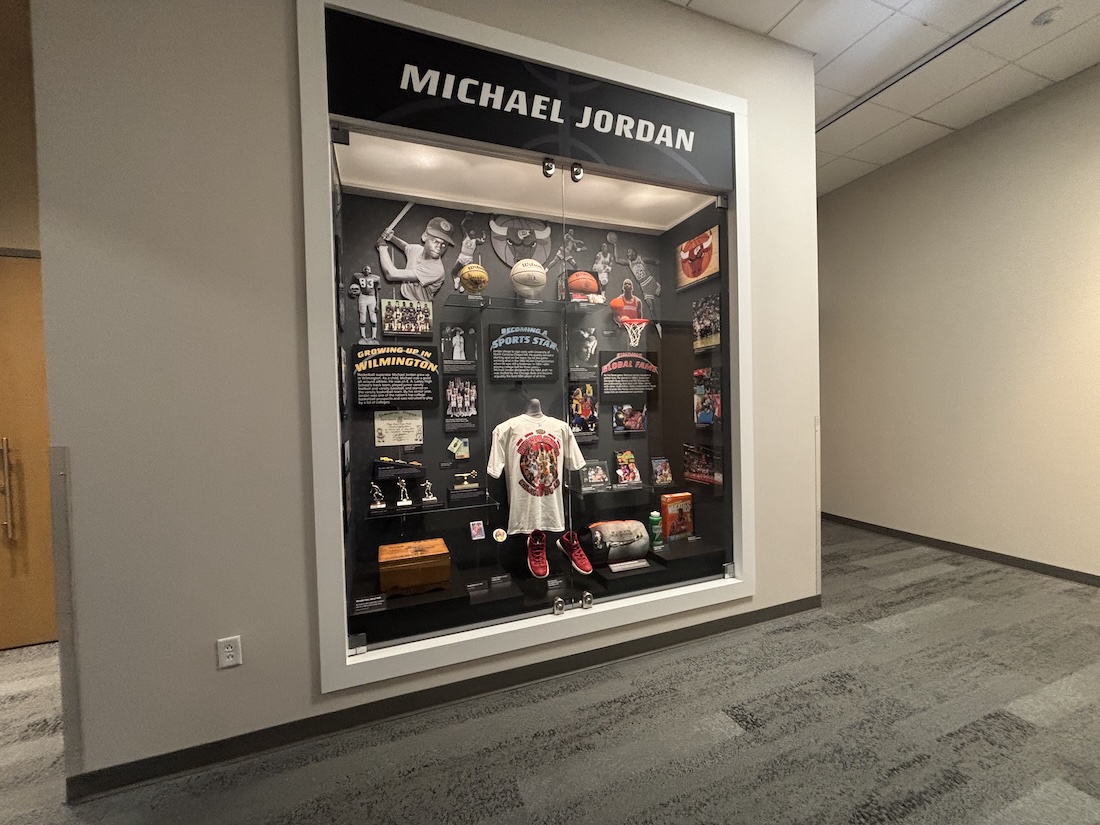
Perhaps the most famous modern-day cultural icon featured at the museum is Michael Jordan, with a slew of artifacts on display. This includes a Wheaties box, Air Jordans, and toy cars his parents gifted him after the basketball player asked for a Mercedes as a child. The museum has a decades-old relationship with the Jordans and at one point hoped to launch a standalone museum beside the current new location as part of Project Grace. Though it fell through in 2024, after the Jordan family decided it could not dedicate time to see it through.
“We can tell a story no one else can because he grew up here,” Baillon said, referring to Jordan’s time spent playing basketball at Laney High School.
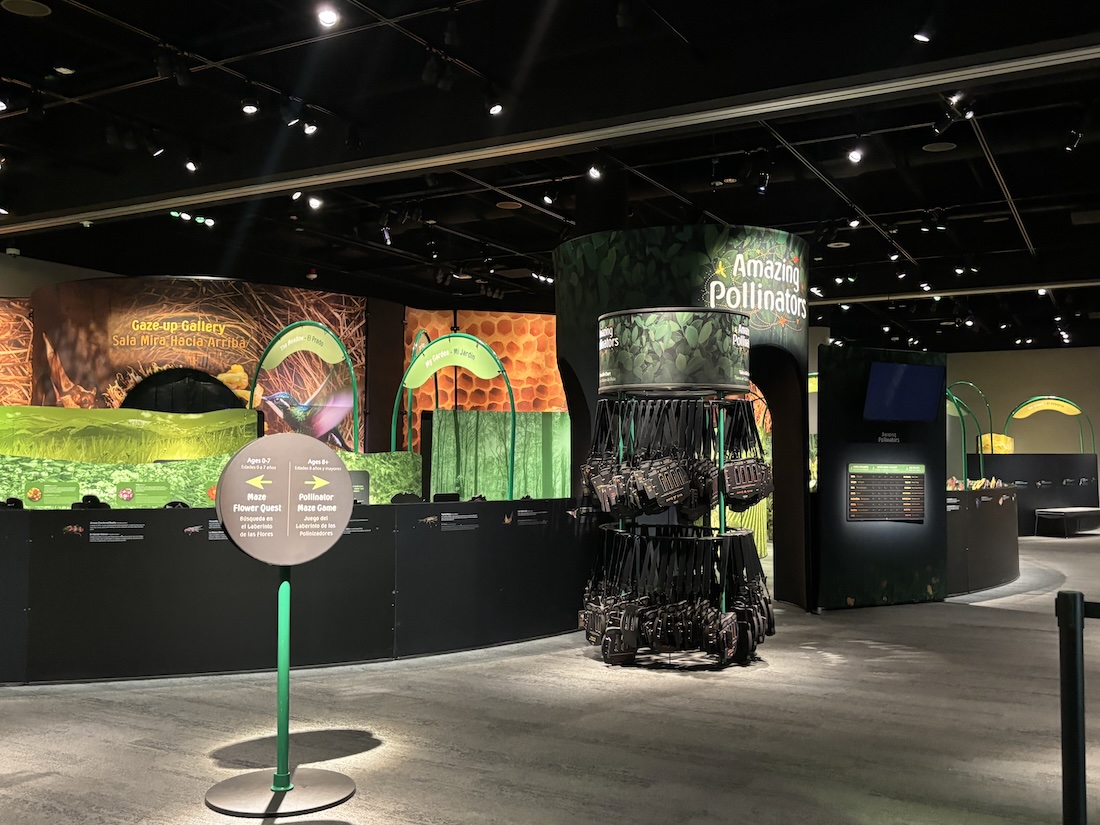
Traveling exhibits are featured on the third floor in a 5,000-square-foot space that can be modified. Currently on display is “Amazing Pollinators,” to coincide with the county extension office’s Great Southeast Pollinator Census — essentially a citizen science project managed by the N.C. Cooperative Extensions that takes place Aug. 20 and 21. Volunteers observe a flowering plant for 15 minutes and tally visiting insects.
Museum visitors to “Amazing Pollinators” will learn what it’s like to become a bee, beetle, bird, butterfly, moth, and such, by choosing a pollinator and following it through a maze of varied environments, like rainforests and the desert. It teaches how pollinators make up one-third of the food system and global ecosystem health and will be on display for six months. The space will also be used for the museum staff to create its own exhibits.
Multiple educational areas for school tours have also expanded, something Baillon says is exciting: “We have three times the classroom space, and then you can see in the galleries we have much larger gathering areas, so we are able to teach there also.”
The museum, located at 230 Grace St., officially unlocks its doors to the public on Tuesday, Aug. 18; admission is $10 to $16, and free for youth ages 2 and under (though New Hanover County residents receive half off the first Sunday of the month, with proof of residency).
“This building respects legacy,” County Manager Chris Coudriet said Monday at the ribbon-cutting, noting the Cape Fear Museum is the oldest in the state having been founded in 1898.
A gala celebrating its relaunch will take place this weekend, 6 p.m. to 9 p.m., at the museum, with signature cocktails and curated bites by Pine Valley Market. Tickets are $125, available to ages 21 and up.
At Port City Daily, we aim to keep locals informed on top-of-mind news facing the tri-county region. To support our work and help us reach more people in 2026, please, consider helping one of two ways: Subscribe here or make a one-time contribution here.
