


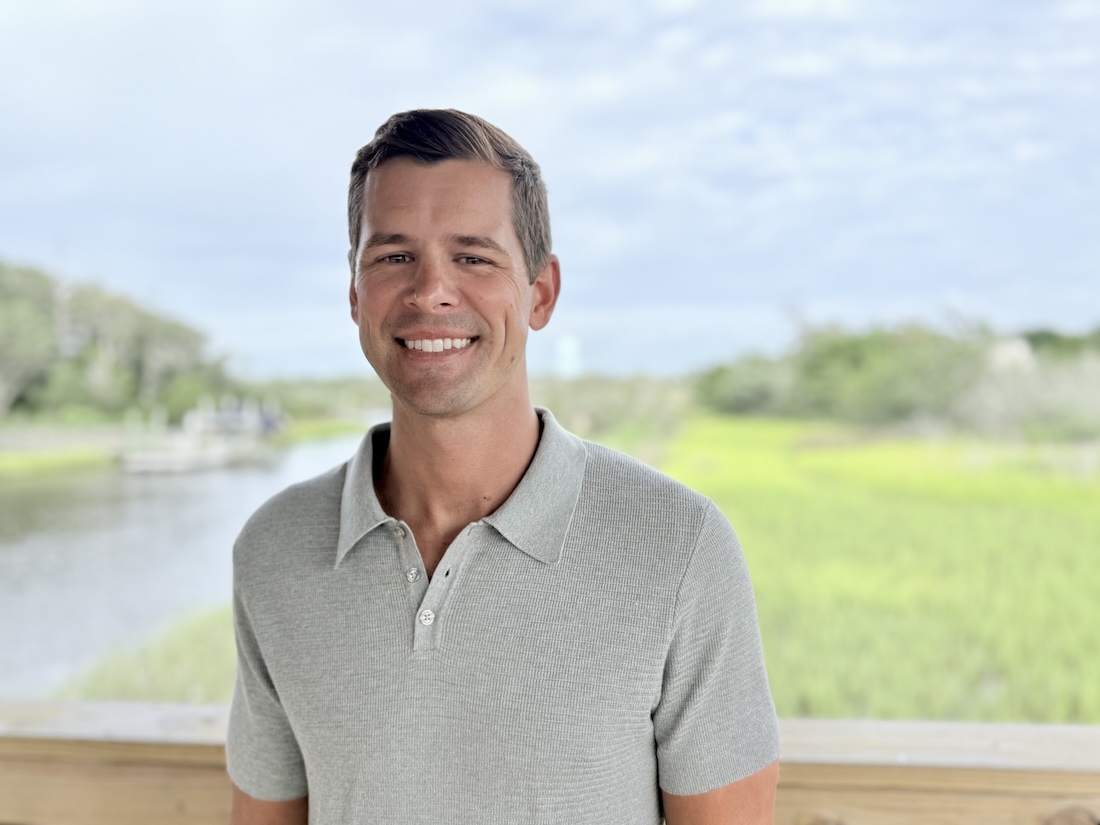
OAK ISLAND — Tommy Brown, an attorney for a pharmaceutical company, is running a campaign to secure one of two seats open on Oak Island’s town council.
Though the council race is nonpartisan, Brown is unaffiliated with a party. He will face off against Chasey Bynum (R), Chip Frazier (R), Reece Simmons (R), Scott Stephenson (U), and Kerri McCullough (R).
“I decided to run for council because I felt our town needed more focus on its future. Oak Island faces important challenges and opportunities today, but we cannot wait to also make decisions to help us plan and prepare smartly for our future — we must be proactive,” Brown said. “I believe Oak Island currently stands at a crossroads where the decisions we make over the next few years will impact our town for generations. With that in mind, we need leaders who put residents first and balance growth with preservation. I can be that leader. I have not served in public office before, however, I see this as a strength. I’m not tied to any current council member or agenda which allows me to approach every issue with an open mind.”
A few things to consider this election season:
- A valid ID is required to cast ballot in North Carolina
- Election Day is Nov. 4, 2025, with voters required to go to their assigned precinct locations
- Early voting opens Oct. 16 and closes Nov. 1, and voters can cast a ballot at the Cooperative Extension Training Room, 25 Referendum Drive, Building N, Bolivia. See the hours here.
Anyone who wants to register to vote can do so here through Oct. 10 or register and vote in one stop during early voting.
Port City Daily asked all candidates a slate of questions about topics that are tracking high with voters and residents of Southport currently. Brown’s answers have been edited below for clarity; candidate opinions and statements are not a reflection of Port City Daily. The paywall has been dropped on candidate profiles to help voters make informed decisions ahead of the election.
Port City Daily: Why run for town council now? What makes you qualified for a seat and sets you apart from other candidates?
Tommy Brown: I have made it a priority to understand how our town works and how I can serve it best. Over the past two or so years, I’ve been a regular at council meetings and completed the town’s Citizen’s Academy, a month-long program where we met with different departments and leaders. This experience gave me a behind-the-scenes understanding of how Oak Island operates day-to-day and allowed me to build strong connections with staff.
Professionally I serve as an attorney for a pharmaceutical company. My work requires me to listen carefully to stakeholder concerns, research solutions, and advocate effectively. These same skills — problem-solving, collaboration, and negotiation — are directly transferable to the role of a council member. I also bring the perspective of a younger candidate with a long-term commitment to Oak Island. Our town has many years ahead, and I offer the energy, forward-thinking, and steady engagement to help guide that future responsibly.
PCD: Oak Island is navigating a balance between growth and maintaining its character. What is your vision for the town’s future, and what specific steps would you take to ensure that new development aligns with the community’s values and does not strain existing public services?
TB: My vision for Oak Island’s future is one where we plan thoughtfully, protecting the charm and character that makes our town special, while preparing responsibly for what’s ahead. Growth is inevitable, but how we manage it is up to us. I believe we can balance progress with preservation by making decisions grounded in data, community input, and long-term planning.
To ensure new development aligns with Oak Island’s values, I would ensure zoning outlined in our recently passed comprehensive land use plan is in fact followed to reflect current and future needs. Additionally, any new large development must be scrutinized to take into account impacts on our roads, water systems, and public safety resources, so that development doesn’t outpace our ability to maintain essential services.
Equally important is keeping residents at the center of the conversation, seeking public input early and often, not just after decisions are made. By being proactive, transparent, and deliberate in our planning, we can protect the Oak Island we love while guiding it towards a sustainable, well-prepared future.
PCD: Given the significant costs associated with long-term projects like beach nourishment, what is your philosophy on fiscal responsibility, and how will you ensure the town’s financial sustainability without placing an undue burden on taxpayers?
TB: Fiscal responsibility starts with accountability and planning. I will not vote for any project that doesn’t have a clearly identified funding source. We shouldn’t be approving projects first and scrambling to pay for them later. The town must also be disciplined in distinguishing between what is a need and what is a want, prioritizing the essentials that protect our residents, environment, and infrastructure.
To strengthen financial sustainability without overburdening homeowners, we should look at ways to increase non-resident tax revenue. Paid parking has become an important source of funding and there may be opportunities to fine-tune that program to increase revenue fairly (without impacting residents). We should continue pursuing grants, which town staff have done an outstanding job securing in recent years — that’s free money we cannot afford to leave on the table. And we must continue pressuring Brunswick County to cover a fairer share of costs, especially given how much Oak Island contributes to the county’s income.
When it comes to shoreline protection, we need a long-term plan, not a cycle of emergency fixes. Our beaches are the soul of Oak Island and a major economic driver for the entire region but right now, too much of the financial burden falls on us. We should explore every viable option, from ongoing nourishment to alternative erosion control measures, but always with rigorous study and a clear understanding of both environmental and fiscal impacts.
My goal is simple: Protect what makes Oak Island special while planning smartly for our future. That means being proactive, transparent, and fiscally disciplined, ensuring every dollar is used
PCD: The town is working on projects to address stormwater management and street flooding. What is your top infrastructure priority for the town, and what is your plan to fund and manage these improvements?
TB: Flooding isn’t just an inconvenience, it’s a public safety issue. When streets become impassable, it can cut off access to homes and delay emergency response. Addressing stormwater and flooding is one of my top infrastructure priorities. We’ve seen that some solutions are working, like the recently installed dune infiltration systems along Ocean Drive, which have already made noticeable differences (and were paid for by grant money). I support expanding these kinds of projects where they’re most needed.
At the same time, infrastructure only works if it’s maintained. That means routine upkeep of rights of way, clearing ditches and retention ponds so they function as designed, and ensuring the town has the equipment and staff necessary for effective stormwater management. With the drafting of the town’s master stormwater plan underway, we’ll soon have the data needed to target our worst problem areas.
But progress can’t stop once the plan is written; we must commit to thoughtful capital investments guide by it. Funding these improvements requires a mix of grants, non-resident revenue sources, and careful budgeting to avoid overburdening taxpayers. And because many of our busiest roads are state-owned, I believe we should hold NCDOT accountable to play its part.
PCD: The town council recently passed an ordinance to address a safety issue related to holes being dug on the beach. What is your position on this ordinance, and how will you balance public safety with residents’ and visitors’ ability to enjoy the beach?
TB: Yes, I support the recently passed beach hole ordinance and was happy to see council pass it unanimously. Balance is always key with any issues, but I do not view this particular ordinance as impacting residents’ or visitors’ ability to enjoy the beach.
PCD: What is one other issue not discussed above that you have a plan to address if elected and how would you do so?
TB: Pedestrian and bicycle safety must be a top priority of the next council. We need safer streets for all by adding crosswalks and sidewalks, reviewing speed limits to reflect today’s traffic and pedestrian patterns, and promoting education on how to to walk and bike safely. We also need to demand collaboration with other parties like the NCDOT, RPO, and county and state leaders to progress safety projects. Lastly, the town must get serious about golf carts. A clear, town-wide policy for safety, education, and enforcement will be a priority of mine if elected.
Want to read more from PCD? Subscribe now and then sign up for our morning newsletter, Wilmington Wire, and get the headlines delivered to your inbox every morning.
