


SURF CITY — Ahead of finalizing the Water Resources Development Act of 2024, leaders across the country testified to the need for its legislation, which helps meet water resources in local communities.
READ MORE: Surf City overcomes ‘big hurdle:’ Army Corps greenlights standalone beach nourishment project
ALSO: Left hanging by North Topsail, Surf City regroups on beach renourishment efforts
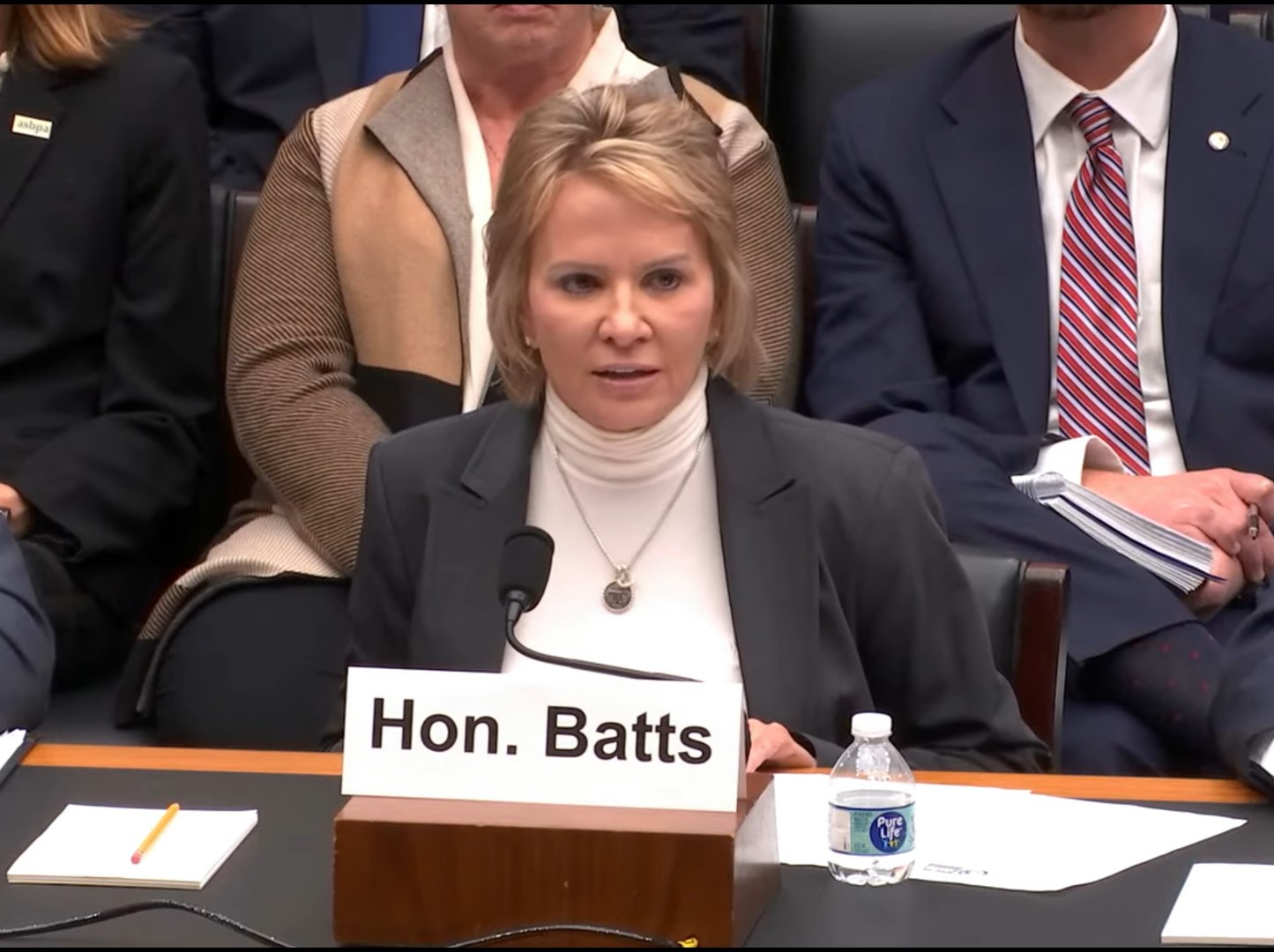
Of the five witnesses that spoke at the Water Resources and Environment Subcommittee hearing Thursday in support of passing the bill was Surf City Mayor Teresa Batts.
The Water Resources Development Act, first passed in 2014, is signed into law every two years by Congress. It provides the authorization for projects nationwide to study, develop or improve water navigation networks, flood and storm protections, coastal restoration and nourishment projects.
Batts spoke to the importance of the bill, specifically as it relates to Surf City’s nourishment project, which she called “long overdue.”
“Surf City offers affordable working class vacation to American people,” she said. “Tourists will stop coming to our beaches if they go away.”
She said tourism is the driving economic engine for the town and provides jobs to residents from commercial fishermen, agriculture, retail, restaurants and other businesses.
The town was authorized for a coastal storm risk mitigation project in 2014, tied with North Topsail Beach. After its neighboring town withdrew participation in July 2021, Surf City had to request permission to continue with the project for only its 6 miles of shoreline.
In August 2022, the United States Army Corps of Engineers agreed to greenlight a stand-alone project for Surf City but federal authorization is still needed. Once approved, dunes and beach berms along Surf City’s coastline will be rebuilt every six years for 50 years to protect the town’s infrastructure, businesses and residences.
The project would be the first large-scale federal beach nourishment for Surf City, replenishing its beach with 15 million cubic yards of sand.
Batts’ Thursday plea was to grant approval for Surf City’s project in the 2024 WRDA.
The mayor referenced Hurricane Florence and the extensive damage the town incurred from not having adequate sand and an engineered beach in place.
“Beaches and dunes are a proven form of natural infrastructure to protect coastal communities from flooding and ensure local business can continue running following storms,” Batts said at the hearing.
She said the town is ready to sign a project partnership agreement with the USACE and it has procured 86% of easements needed for dredging and nourishment work to occur.
Surf City also has a dedicated beach fund saving money to contribute its share of the project cost — around $19.4 million — once approved.
Rep. David Rouzer, chair of the Water Resources and Environment Subcommittee, invited Batts to the hearing to help highlight the importance of a consistent two-year schedule for approval of the bill.
He cited examples Thursday of how the bill has helped southeastern North Carolina in recent years. In 2020, it reauthorized nourishment projects in Wrightsville and Carolina beaches and in 2022, it led the way for shoreline restoration in Southport.
“Reliable water navigation systems allow for the safe and efficient shipping of cargo, fueling our economy. Levees protect homes and businesses from flooding. Dams also provide flood control for communities, along with power and opportunities for recreation,” Rouzer said at the hearing. “Finally, of particular importance to my constituents up and down the coast in North Carolina’s Seventh District, coastal restoration and nourishment projects mitigate erosion and damage from frequent coastal storms.”
Tips or comments? Email [email protected].
Want to read more from PCD? Subscribe now and then sign up for our morning newsletter, Wilmington Wire, and get the headlines delivered to your inbox every morning.
