


With 77 ayes and 36 nays, the North Carolina House of Representatives passed an amendment introduced by Rep. Ted Davis that would extend the current film incentive for one more year.
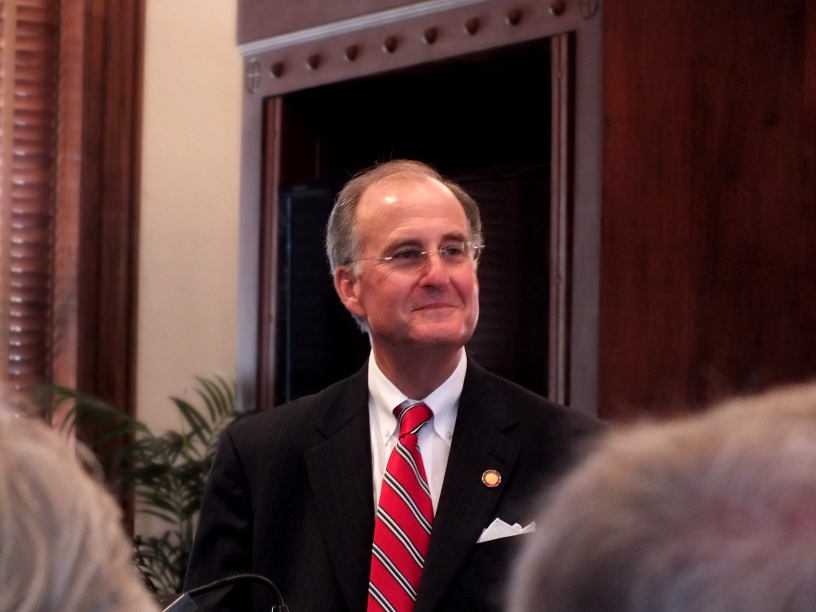
In a floor debate that lasted about an hour this afternoon, the New Hanover County Republican implored his colleagues to vote in support of the amendment, which he noted would not be a “permanent solution,” but rather an opportunity to come up with one.
“What we’re doing is replacing a proposed six-month grant that will not work and will be the kiss of death to 4,200-plus jobs,” Davis said, “replacing that with a one-year extension that will allow an independent study to be done, and allowing this House and the Senate to come up with a permanent, viable solution.
“Let’s pass this and send it to the Senate so we can keep this tremendous economic engine in North Carolina,” Davis said as the amendment was put to a vote.
The amendment, to a previously filed bill in the Senate, would put a $40 million cap on the overall amount of refundable tax credits that could be awarded to productions over the course of that year. It would also lower the incentive’s tax break from 25 percent to 22.5 percent for productions that spend at least $250,000 on qualifying expenses.
While the amendment passed Thursday, the overall bill needs to pass a third reading in the House before it can go to the Senate for a final vote.
The amendment comes just days after House and Senate leadership announced they had reached a budget deal that would, among other things, convert the current refundable tax credit incentive to a grant fund program. As proposed, that program would increase the minimum spend requirements for productions to qualify to receive a credit, and the overall amount of allowable credit would be capped at $10 million over the course of six months.
Related story: Budget includes $10 film grant program
Industry advocates and professionals have said that amount would be too low to sustain the state’s current level of film production. An earlier proposal with a cap of $20 million prompted Davis and others to request a one-year extension of the current credit to allow time for an independent study and further negotiations. (Related story)
“This would at least keep present film productions for another year,” Davis said Thursday, noting the amount would not attract another big-budget film like “Iron Man 3” but would allow current productions, such as TV series “Under the Dome” and “Sleepy Hollow,” a reason to return for another year.
“If you think these people are just going to find other jobs, I’m sorry, you’re wrong, because these are very specialized jobs,” Davis said, noting more than 4,200 film jobs that he said would be lost to other states without a competitive incentive to lure productions here.
His voice breaking up at times, Davis apologized for speaking passionately on the issue, which he described as the hardest challenge he’s faced.
“I’ve never worked on anything as hard in my life as I have on these film incentives. So please excuse my passion when I’m arguing,” he said. “I’m doing this on behalf of 4,200-plus people who live in this state, who work in the film industry. Don’t let this legislative session go down in history as killing the film industry in this state.”
Past story: House nods to new film incentive
Other speakers, including Rep. Michael Speciale of New Bern, argued against the amendment, reiterating arguments that the incentive has cost the state more than it gets in return. Speciale took exception in particular to comments that said the industry would leave if the incentive is not extended.
“If the film industry could not survive and do business in North Carolina, they would not be here,” Speciale said. “If it takes $40 million to keep them here, then we’ve got a problem.
“Incentives are supposed to be to get the industry here. If we have to lure them here and then continue to pay this year after year or they will leave, then I say we made a mistake in the beginning,” he said.
House Speaker Thom Tillis, of Mecklenburg County, spoke in favor of the extension, contending the incentive is an important policy for the state.
Tillis said he was disappointed that the legislature did not yet have a program “that took this political debate off the table.” He said the reason the debate recurs is because it is hard to point to film as a project industry.
“I personally believe, if we don’t extend the film credit, the industry will go away,” Tillis told the House just prior to the vote.
The state film office recently reported that spending by productions in 2014 has already surpassed last year’s total, with an estimated $268 million in direct in-state spending by productions in the first six months of this year. With six months’ worth of spending left in the year, that’s above last year’s total of just over $254 million.
Related stories:
- Film incentive hangs in balance as legislative session gets underway
- Film supporters rally to continue tax incentive
- Report details film expenses, incentive payouts
Jonathan Spiers is a reporter for Port City Daily. He can be reached at (910) 772-6313 or [email protected]. On Twitter: @jrspiers
