


SOUTHPORT — A year into working on changes to the city’s conditional zoning rules, the Southport Planning and Zoning Board has put off amending the ordinance once again; the new board of aldermen is less inclined to support the modifications.
READ MORE: Southport raises alarm on state bills changing development processes
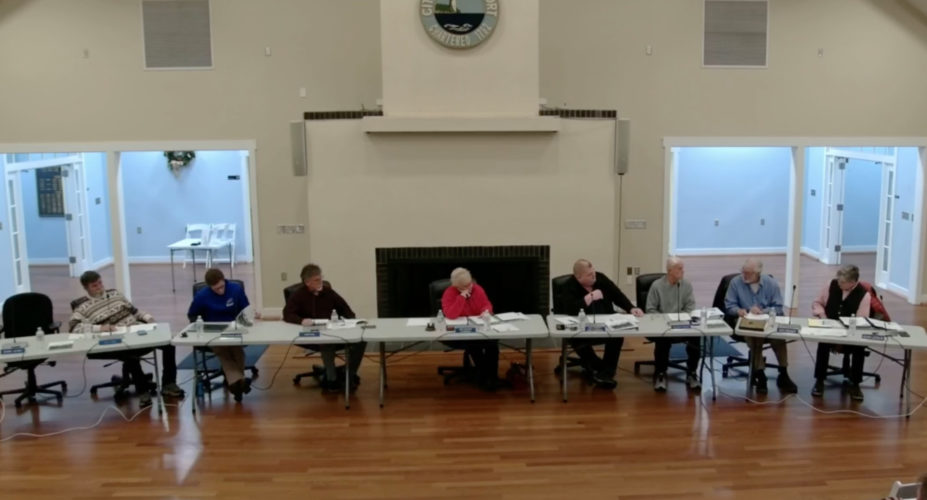
On Dec. 21, the board of aldermen convened to review a text amendment to the city’s land code that would allow conditional zonings to exist in any district, instead of just business zonings, as well as a custom conditional zoning not tied to any other district.
Conditional zonings allow municipalities to bend the zoning rules for a project in exchange for certain assurances agreed on by both parties, such as exceeding the allowed density in a residential zoning but agreeing to improve pedestrian paths or traffic lights near the project. Typically, the district is overlaid on top of another zoning, such as a residential zoning with a conditional district.
Southport leaders have been workshopping the proposed text amendment since January 2023 as they were confronted with differing views on the process.
Some residents and aldermen, particularly former alderman and city planner John Allen, advocated expanding conditional zoning to give the city greater flexibility in accommodating a range of development types and more control over projects. However, some residents argued the expansion was a pathway to larger, more dense projects — think Project Indigo — to gain approval.
Several of those opposed to the text amendment — Rebecca Kelley and Marc Spencer — are now part of the board of aldermen per November’s election. With the addition of Frank Lai and under the leadership of a new mayor, Rich Alt, it’s unclear if the text amendment will be favorable when it returns to the board.
“The candidates that were elected were very upfront about their position on conditional zoning in Southport that has the potential to change the complete makeup of our city, double the population, depending on who we have on this board,” resident Francesca Slaughter said at the December swearing-in of new Southport officials.
After multiple special meetings and public hearings, the planning board on May 18 approved the amendment 5-2. The aldermen, however, sent the text amendment back to the planning board in August to ensure it aligned with the UNC School of Government’s guidance and provided ample opportunity for public input.
The updated amendment presented last week requires the applicant requesting the conditional district to have a pre-application meeting with Southport staff. The applicant must also conduct a public meeting and report how its input was incorporated into the project proposal. While public meeting requirements are common in municipalities’ development processes, developers are not required to make concessions to residents.
Other requirements in the updated guidelines include 20% of conditional district projects be dedicated to open space, except in business districts. Conditional district overlays in planned unit developments, reserved for large subdivision projects, must be applied to land over 5 acres.
Also, the board of aldermen may not vote to rezone property to a conditional zoning district between the date of a municipal general election and the date of the following aldermen meeting. An exception applies if no one spoke against the rezoning at the public hearing.
If the development has not made progress, in the view of the planning board, within three years, the property could be reverted back to the previous zoning.
Southport planning staff reported the guidelines are in line with recommendations from the UNC School of Government, but the planning board wanted to see more changes made.
Chair Sue Hodgin asked staff if the board could request more than one public meeting be held prior to the application submission. City Planner Maureen Meehan said it would require additional language in the text amendment..
“I don’t know about everybody else but I think we should CYA [cover your ass] on that and put that in there, even if it’s not used,” Hodgin said.
She added any changes made after the public meeting could be sent back to residents, continuing to keep them in the development loop.
Hodgin’s motion to table the amendment received unanimous approval.
Meanwhile at the same meeting, a multi-use project failed to gain approval.
S&G Holdings applied for a zoning text amendment to allow mixed uses in the highway commercial zoning district. The goal was to expand housing options throughout the city, especially in the areas along Rob Gandy Boulevard.
The applicant wants to develop retail, office space and condos along the road, but under Southport’s land use code cannot request a conditional zoning district to expand the allowed uses to housing.
The planning board was concerned with changing the zoning text, as it would apply to all highway commercial zonings, not just the parcels in the applicant’s site.
Ultimately, the board decided to table the application and direct staff to bring back a draft of the applicant’s proposed text amendment.
Hodgin made a point of noting the importance of more diverse housing options, nodding to several bills proposed in the General Assembly’s legislative session that would take some zoning power away from local governments to promote affordable housing.
She advocated for text changes, like the one proposed by S&G Holdings, to promote a range of housing types in Southport.
“Those of us who read these bills understood the implications, saw them for what they were — real threats to the town’s over oversight and planning efforts,” Hodgin said. “Best not forget them. I predict we’re gonna see him again in 2025, so we best be working on our own plans and a way to show the General Assembly Southport is supporting commerce and allowing for affordable and workforce housing.”
Reach journalist Brenna Flanagan at brenna@localdailymedia.com
Want to read more from PCD? Subscribe now and then sign up for our newsletter, Wilmington Wire, and get the headlines delivered to your inbox every morning.
