


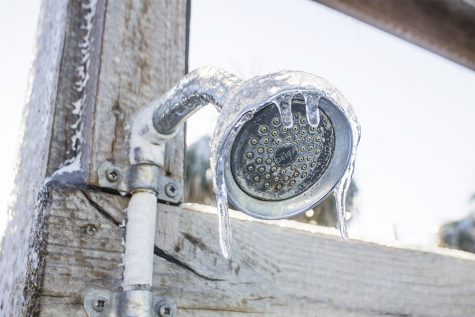
SOUTHEASTERN, N.C. — It’s getting freezing at night in the Cape Fear region. For non-natives hailing from colder regions, dealing with frost can be a no-brainer. But for many longtime locals, snow can be a foreign object and flip flops are acceptable year-round footwear.
Monday, the National Weather Service Wilmington issued a Freeze Watch, in effect from late Tuesday through Wednesday morning, with sub-freezing temperatures reaching as low as 28 degrees.
Here are some quick tips on how to keep pets happy, plants alive, and pipes intact.
Pets
If it’s too cold for you to stand outside, it’s probably too cold for your dog or cat. Generally, the smaller the animal, the more susceptible it is to freezing temperatures.
The American Human Society encourages pet owners to keep pets indoors. Cats freeze in cold weather without shelter and can seek out warmth under the hoods of vehicles. Bang on the hood of your vehicle if you live near free-roaming cats (or other wildlife) to prevent inadvertently harming the animal when igniting your engine.
As urban domestic chicken ownership rises, new chicken owners may need to check on their coop before temperatures dip. Tractor Supply warns chicken owners who may think to insulate an entire coop to make sure there’s some ventilation, preferably near the roof. An overly-insulated coop can lead to humidity, which can lead to frostbite. Also, be sure to check the chicken’s water supply and break top layers of ice that may form overnight.
Plants
No matter what, freezing temperatures will impact plant life. Some plants, according to former New Hanover County Arboretum director Al Hight, are more susceptible, including winter oleanders, sago palms, camellia blossoms, and exposed pittosporums.
Hight suggests using polyester row cover material (or any old sheet) to help shield plants from ice formation on leaves and buds. Clear plastic can work too, but needs to be held up by something to prevent the plastic directly touching leaves.
Be sure to make sure plants are well-watered before entering freezing temperatures. It may seem counterintuitive, but Hight said one of the leading winter kill culprits is a lack of water, caused by a frozen top layer of soil with no water available to the remainder of the root system.
Pipes
Frozen, expanding water can cause a financial and literal mess for homeowners. Protect exposed pipes from freezing by insulating them before temperatures dip.
Insulating materials are cheap compared to the cost of fixing a damaged or leaking pipe.
Be sure to drain your outdoor irrigation system if you have one. Last week, Brunswick Regional Water and Sewer H2GO shared helpful tips for preventing irrigation-related issues by winterizing the system:
- Turn off the water to the irrigation system at the main valve.
- Turn on each of the valves to release pressure in the pipes.
- Drain all of the water out of any irrigation components that might freeze
If pipes do freeze, don’t overheat them when trying to get them to thaw out. This can cause damage to the pipe and also can create a safety hazard if electric heaters or hair dryers are used.
