



WILMINGTON – A group of volunteers working to restore the U.S.S. North Carolina came across a top-secret piece of technology that was nearly lost to history. Now they’re bringing it back to light.
“We call ourselves the Wednesday Volunteers,” said Pete McWilliams, who helped organize the group. “We try to keep it simple. We’re all retired, and we come from a lot of different backgrounds, but we all really love the battleship and its history. So, we’re doing our part to preserve that.”
As their name implies, the group convenes on Wednesdays. They spend the morning hours helping maintain the battleship, doing everything from carpentry to painting. Recently, the group has been helping to restore interior sections of the battleship, including the interior of the ship’s three massive gun turrets.
McWilliams said the group started a few years ago with just four members, but now includes as many as 20 volunteers.
“Initially, we were focusing on repainting and refinishing some interior spaces. Especially the turrets,” McWilliams said. “They’re a big tourist draw, and the sheer amount of traffic coming through here does a number, puts a lot of wear and tear.”
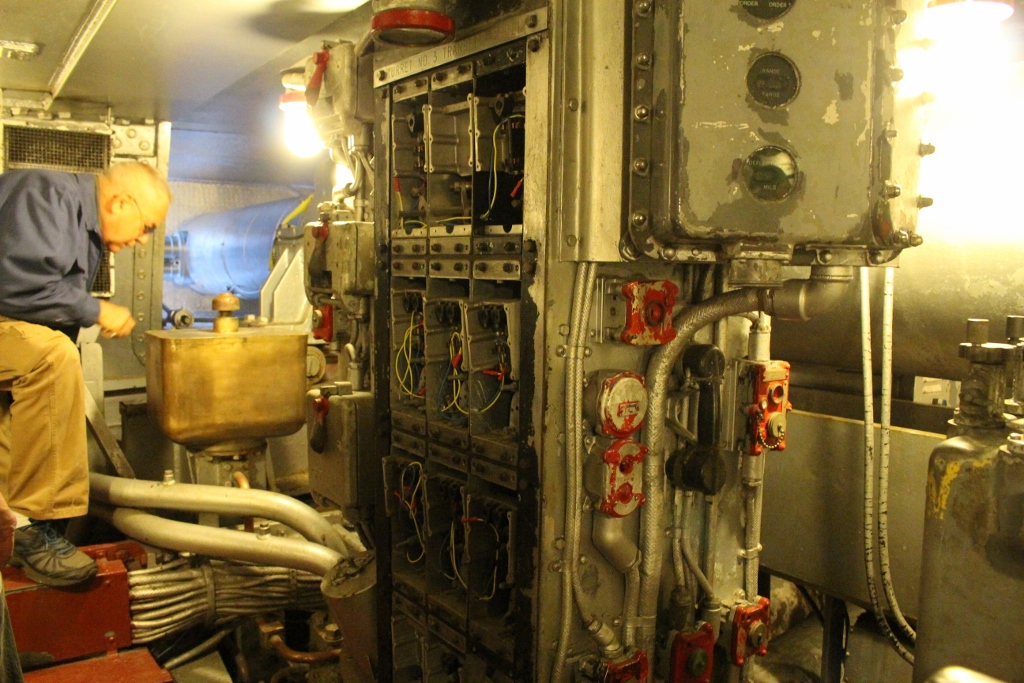
A key part of the turrets’ operation was the fire control systems, which were state-of-the-art for decades. The fire control system used a massive analog computer to help account for range, wind, and the pitch and roll of the ship on the water. The system was so advanced it remained classified for years. When the Navy reactivated WWII-era battleships during the Vietnam conflict, they continued to use the same fire control.
“These were completely state-of-the-art,” said McWilliams. “But when they mothballed the ship, a lot of the control systems just got torn out or plugged up.”
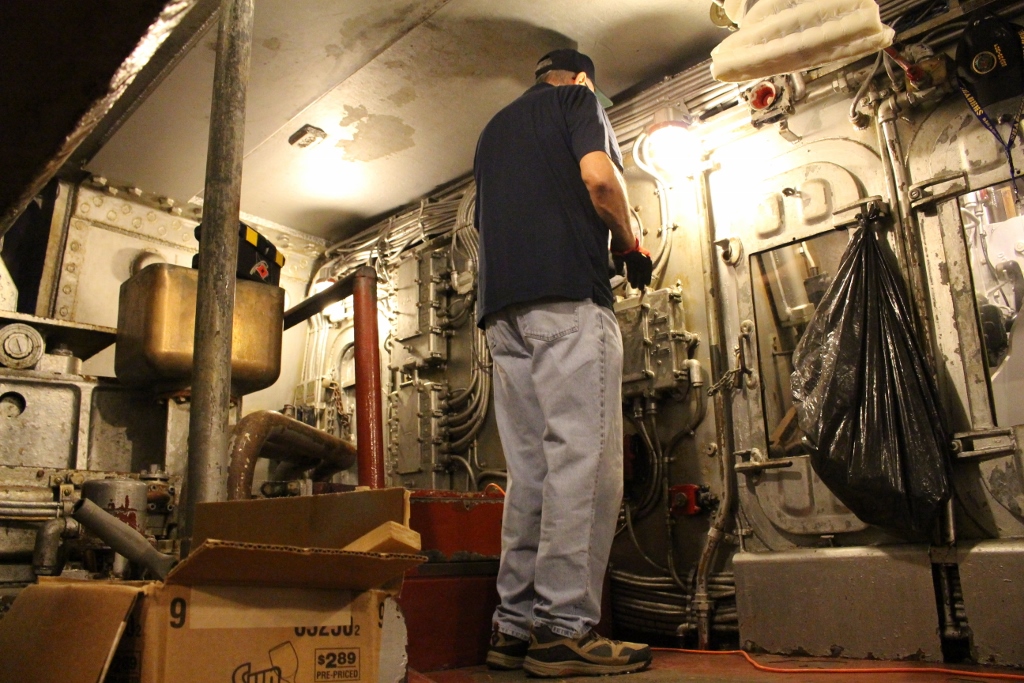
Recently, the Wednesday Volunteers made a discovery in turret number two, the forward-facing gun closest to the conning tower.
“What we discovered was a system of synchro-servos, electro-mechanical devices that allowed all the turrets to be used in unison. In the event of a catastrophe, maybe something happened on the bridge, or some other damage, the fire team in this turret could not only bring their three guns to bear, but all nine of the battleship’s big sixteen-inch guns — they could really rain down on the enemy.”
The servos were top-secret technology when the North Carolina set sail for the Pacific theater. McWilliams said, “If you see pictures from the 1940s, there are often shots where the servos are visible but blacked out, they’re censored because they were top secret.”
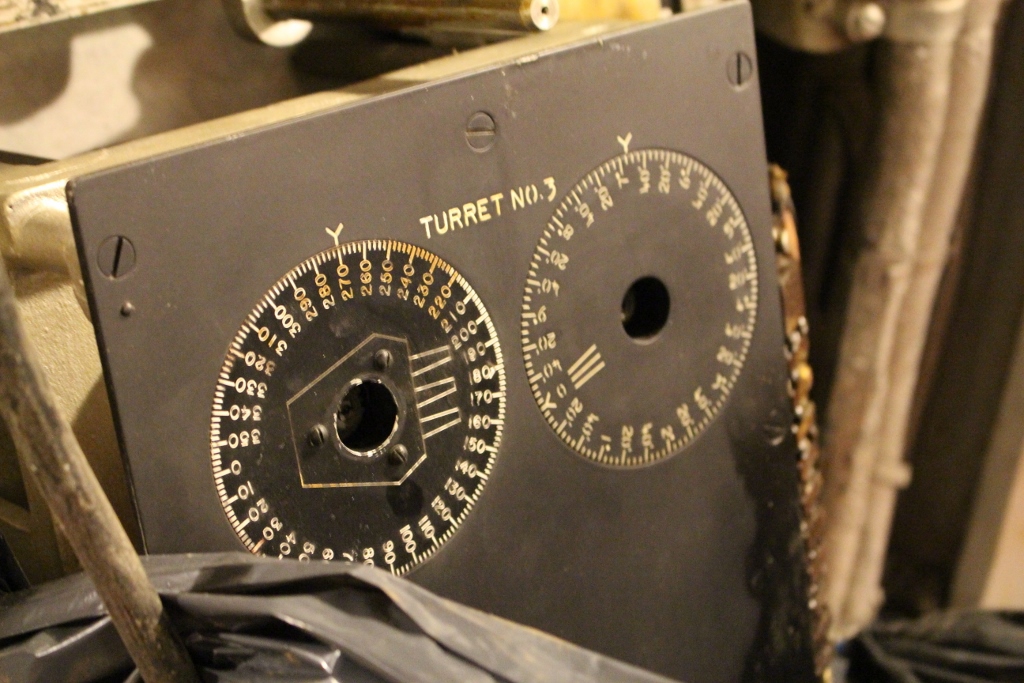
The servo system also allowed battleships navigation systems to be operated from the bridge, but it was fire control that really helped make the North Carolina so effective in combat, becoming the most decorated ship in the fleet.
McWilliams, who has a background in engineering, said the sophistication of the near-eighty-year-old technology fascinated him and he wanted to be able to share that.
“I work a lot with STEM programs,” McWilliams said, referring to the Science, Technology, Engineering and Math program of the Department of Education. “For young kids interested in engineering, especially, there is so much to see here, so much to learn. It’s old technology, yeah, but there are so many avenues for students to get the into the modern field from here.”
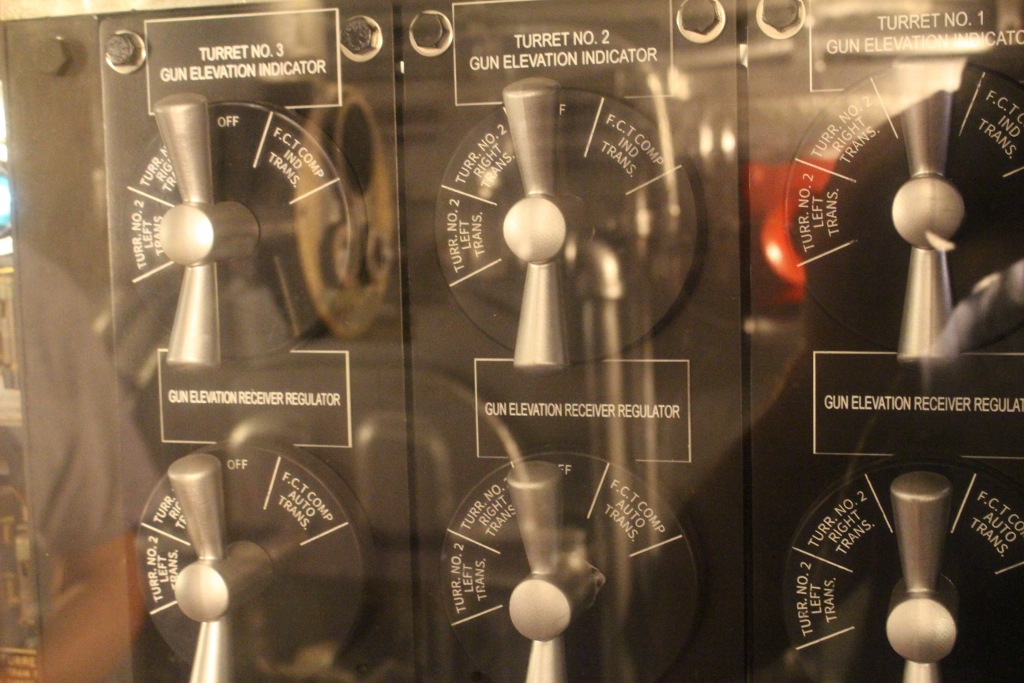
The Wednesday Volunteers were able to get their hands on vintage servos to demonstrate what made the North Carolina so advanced.
McWilliams and his group also wanted to show battleship visitors the technology would have looked during WWII. The Wednesday Volunteers, with funding from the Friends of the Battleship North Carolina, reached out the TouchStone 3D, a three-dimensional printing company in Cary. TouchStone 3D printed new control elements for McWilliams and his fellow volunteers to install.
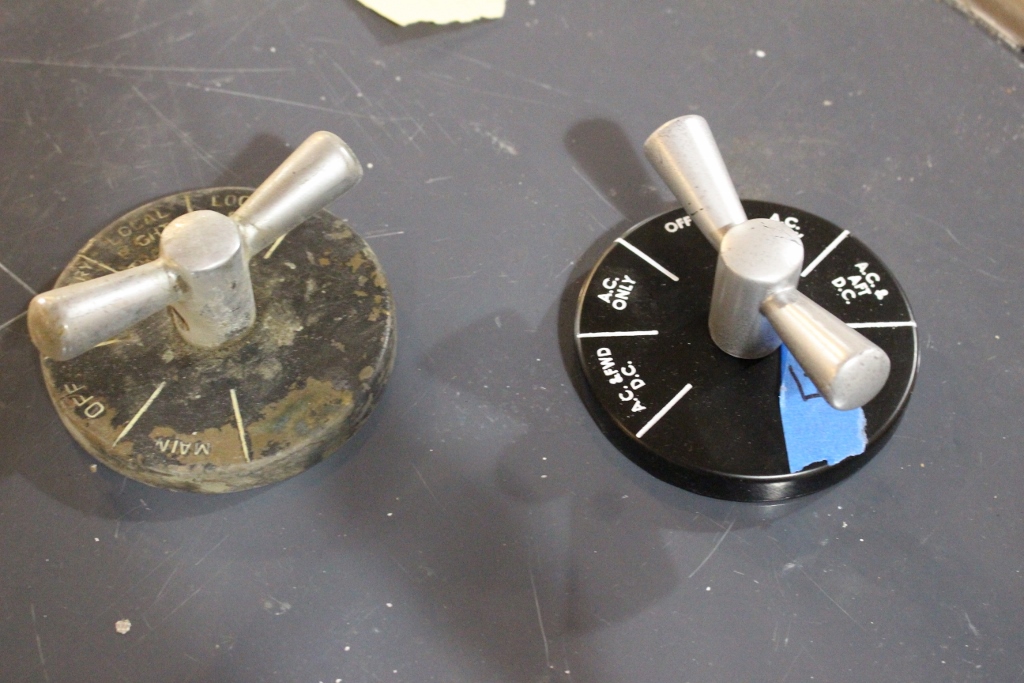
“It was a missing piece,” McWilliams said. “You could see the big pieces, the loading mechanism and the gun itself. But this lets you see how the sailors actually used it. You’re that much closer to being there, the way it was in combat.”
