


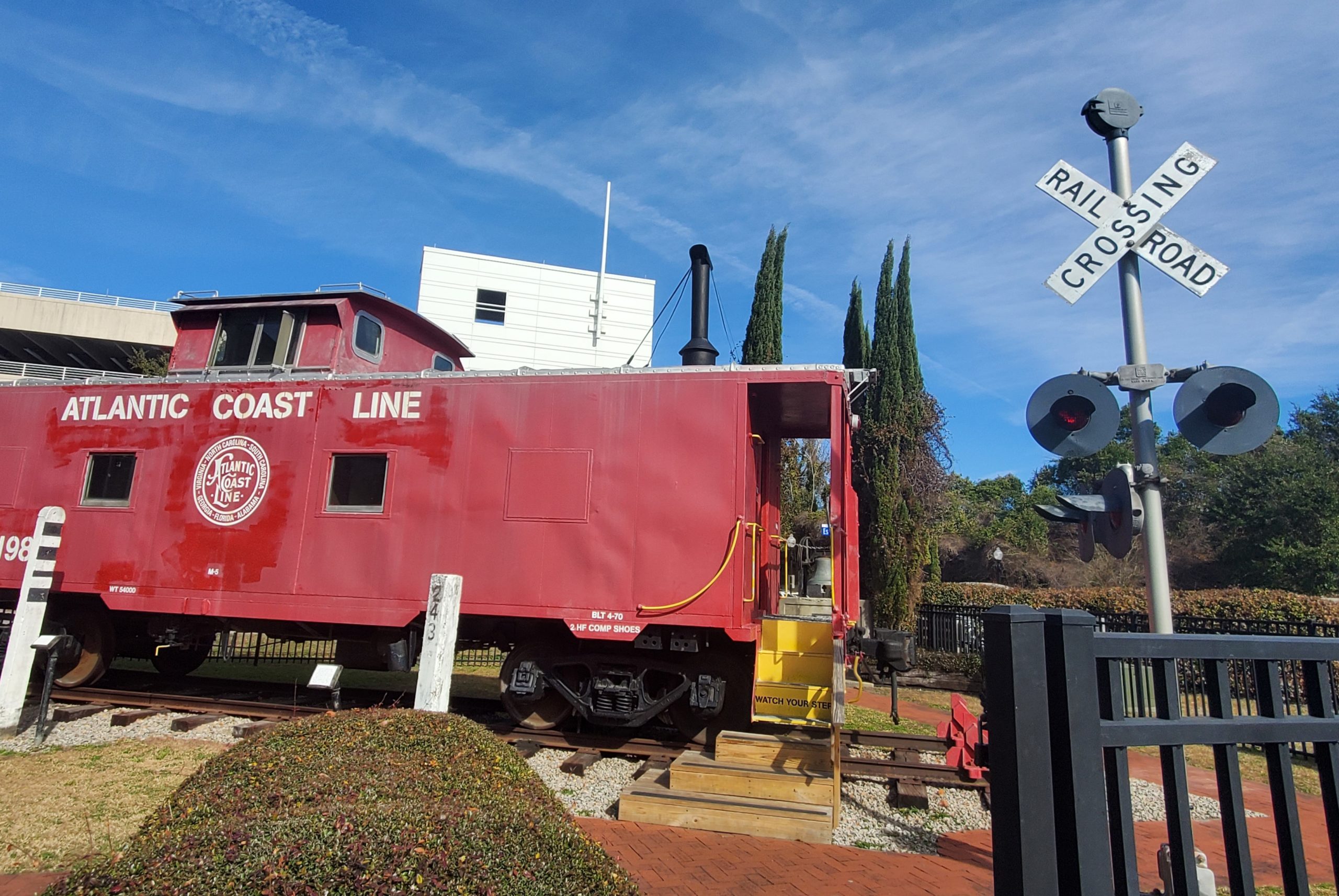
SOUTHEASTERN N.C. — One hundred years ago, a local railroad police officer was killed in the line of duty. His murder remains unsolved and his name was never memorialized on a national level.
This week William Coyt Callihan, former police officer for Atlantic Coast Line Railroad, headquartered in Wilmington, will be formally recognized in Washington D.C.
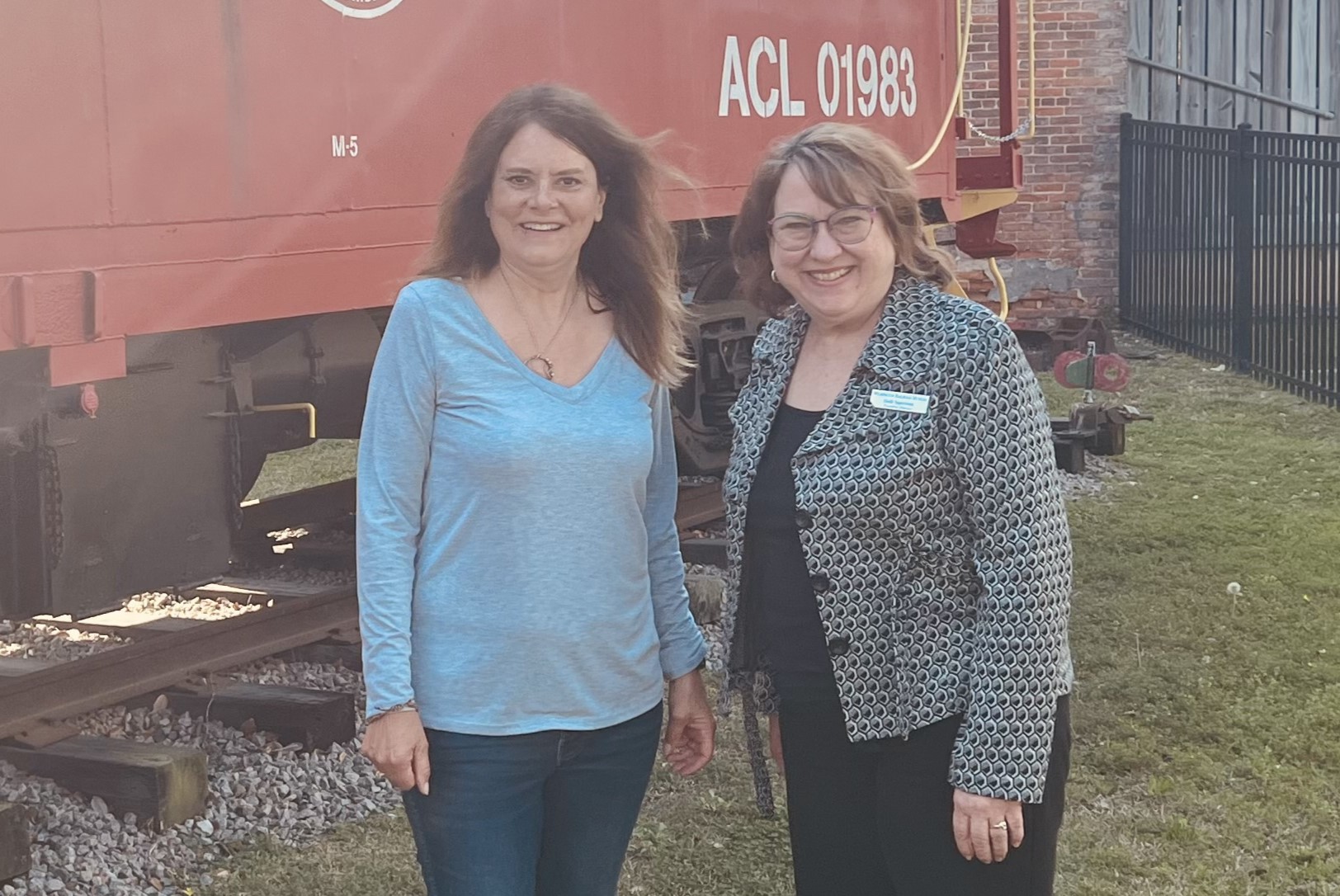
Thanks to the due diligence of local Wilmington Railroad Museum director Hollie Saperstein and volunteer researcher Christine Williams, Callihan will join more than 22,000 names on the National Law Enforcement Officers Memorial. Saperstein and Williams will travel to D.C. May 13 to attend the ceremony.
Callihan’s granddaughter, Barbara Capps, will also be attending, as well as Cumberland County Sheriff personnel and two members of the honor guard.
Barbara’s grandfather was an ACL officer and Cumberland County Sheriff’s deputy. Along with hundreds of other federal, tribal, state and local law enforcement officers, Callihan’s name will be carved onto the 304-foot-long limestone memorial. New names are added each spring in conjunction with National Police Week.
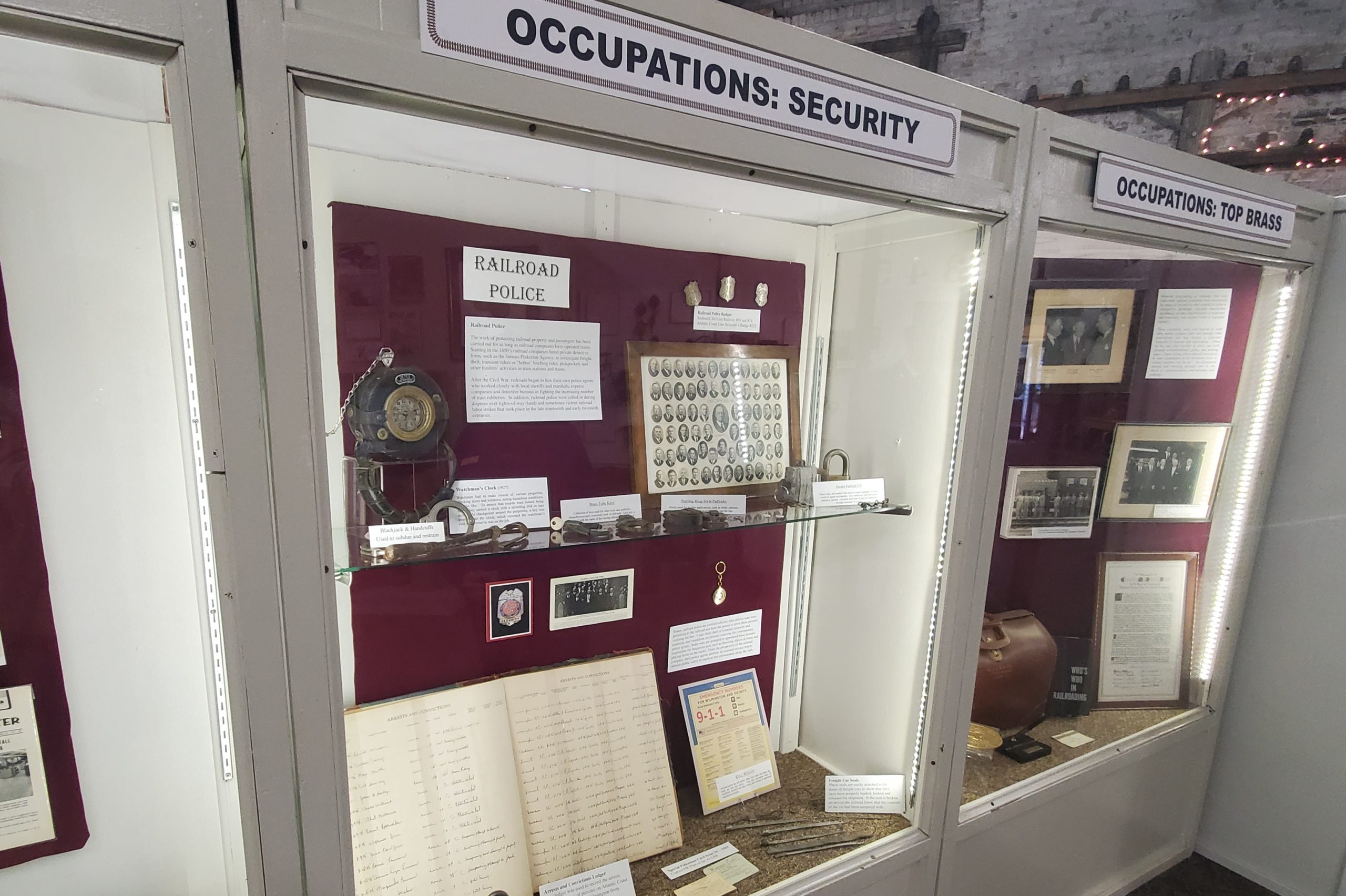
Williams, who lives in Wisconsin but stays in Wilmington two months each winter, began volunteering with the Wilmington Railroad Museum in February 2022. When Saperstein asked the former law enforcement officer to update the museum’s security display, she began searching for names of officers who worked with ACL.
ACL, the longest railroad with nearly 5,000 miles of track along the East Coast in the 1800s, employed about-one-third of Wilmington’s population at the time.
When Williams realized Callihan was never listed on the national wall, she began digging into why. Williams has spoken with members of railroad officer groups across the country, noting she is not the first to try to earn recognition for those killed decades ago. She also spent hours researching newspaper articles and textbooks on the ACL Railroad, and from UNC Chapel Hill archives.
Williams even spoke to the Cumberland County Sheriff’s Office, though noted there were no records available from that time period. She presented her findings to the nonprofit that runs the National Law Enforcement Officers Memorial.
“This isn’t just about getting him on the wall but to potentially solve this crime,” Williams told Port City Daily.
Williams found that on Feb. 24, 1923, Callihan and some acquaintances were in the woods in Fayetteville near Victory Lake searching for wood knots, used to light a fire. They witnessed a car pull up and two people hide bags in the forest.
Callihan and his off-duty officer friends, B.F. Strickland and B.W. Hall, discovered it was illegal liquor. Since it was during prohibition, Callihan, also off duty at the time, stayed with the moonshine while his friends went to report it.
When the car returned, two men — allegedly Joel Levy and John Smith — got out and Callihan proceeded to arrest them. One man shot Callihan, according to Williams’ research; he suffered internal bleeding from a bullet that pierced his kidney.
A white man, John Smith, was picked up the day of the murder but never charged. He was released March 1 and one week later, a Croatan Indian — small Native American group living in the coastal areas of North Carolina — named Joel Levy was arrested.
Meanwhile, according to newspaper articles, while Callihan was at the Highsmith hospital he declared on his deathbed to his wife and nurse, Ethel Andrews: “It wasn’t the Indian.”
Callihan, 42 at the time of his death, was the 10th officer killed in the line of duty since 1916 and the sixth who was murdered.
Here is where the story gets a little tricky. There are multiple newspaper articles sharing different accounts of the night in question. So how the incident unfolded is not clear.
“There are all different accounts … the timing is different,” Williams said of her research. “Even the guys with [Callihan] all are saying different things.”
A News & Observer article from Feb. 25, 1923 states Smith was one of the men involved in the shooting, with no mention of Levy. Another N&O article from April 1924 states Levy was arrested, and during the first trial, nurse Andrews testified Callihan confided in her it was not Levy.
Andrews also told Alfred B. de Mesquita, publisher of the Fayetteville Observer in the 1920s and another patient at the hospital at the time, what Callihan revealed. De Mesquita allegedly corroborated her story during the first trial, which was declared a mistrial as a result.
A second trial was held and Smith testified Levy was the one who shot Callihan. Nurse Andrews, who had married and moved to Florida, could not be found, and de Mesquita died in an airplane accident before the second trial.
Therefore, both Andrews and de Mesquita could not testify against Smith when the second hearing came around.
The courts upheld Levy’s conviction of second-degree murder.
In an article from the Charlotte Observer later in the year of the murder, Smith admitted to burying 11 gallons of whiskey and went to search for Levy, who he claimed was the buyer.
However, a 1982 Fayetteville Observer article states five men alleged Levy was in Fayetteville during the time of the shooting, though Smith pressed it was Levy who murdered Callihan at the trial.
The jury found Levy guilty of second-degree murder and the judge sentenced him to 20 to 30 years in prison. Levy appealed but the verdict was upheld by the N.C. Supreme Court.
“It’s interesting they try to pin it on a person of color,” Williams said.
One article even refers to him as a “negro,” though he was part of the Croatan tribe.
It’s unclear when Levy was released from jail, and he was never seen from again, according to documents.
“It doesn’t say if his sentence was overturned or if charges were dropped,” Williams explained.
No one was ever arrested for Callihan’s murder after that.
Williams said she hoped the Cumberland County Sheriff’s Office would reopen the case and re-investigate. The Cumberland County Sheriff’s Office did not respond to PCD’s requests for comment.
“It’s at the whim of the sheriff,” Williams said.
She personally would like to see Levy pardoned, since it’s unclear who committed the murder and Levy was set free.
One of Levy’s attorneys, J. Bayard Clark, declared publicly, “Joel Levy was brought into court by one of the most diabolical frame-ups ever hatched in Cumberland County.”
Williams also said Callihan is listed on the Cumberland County Sheriff’s Office’s memorial wall; however his name is spelled “Callahan.” It has since been corrected at Williams’ request.
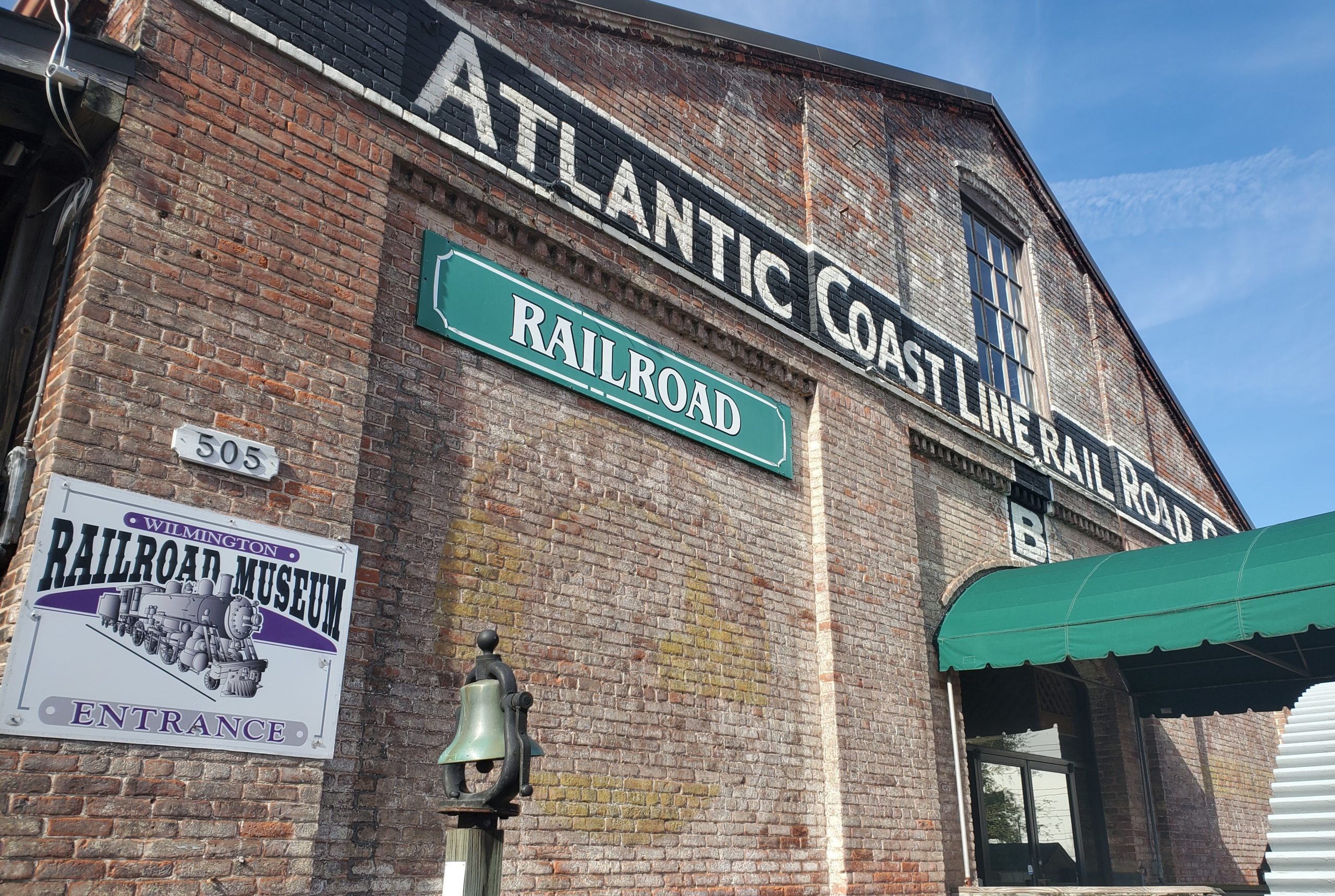
Saperstein said the Wilmington Railroad Museum plans to create a display about Callihan following the D.C. ceremony.
“It’s a very, very unique story,” Saperstein said. “We started digging into and wanting to focus on putting up [at the museum] some police officers who lost their lives and this would certainly be one.”
Tips or comments? Email [email protected].
Want to read more from PCD? Subscribe now and then sign up for our morning newsletter, Wilmington Wire, and get the headlines delivered to your inbox every morning.
