


BOLIVIA – Local, seasonal and sustainable: customers are increasingly encouraged to seek out these things but often remain at the mercy of what grocery stores have in stock.
Unless, of course, those customers know a farmer. Or where to find a farm store.
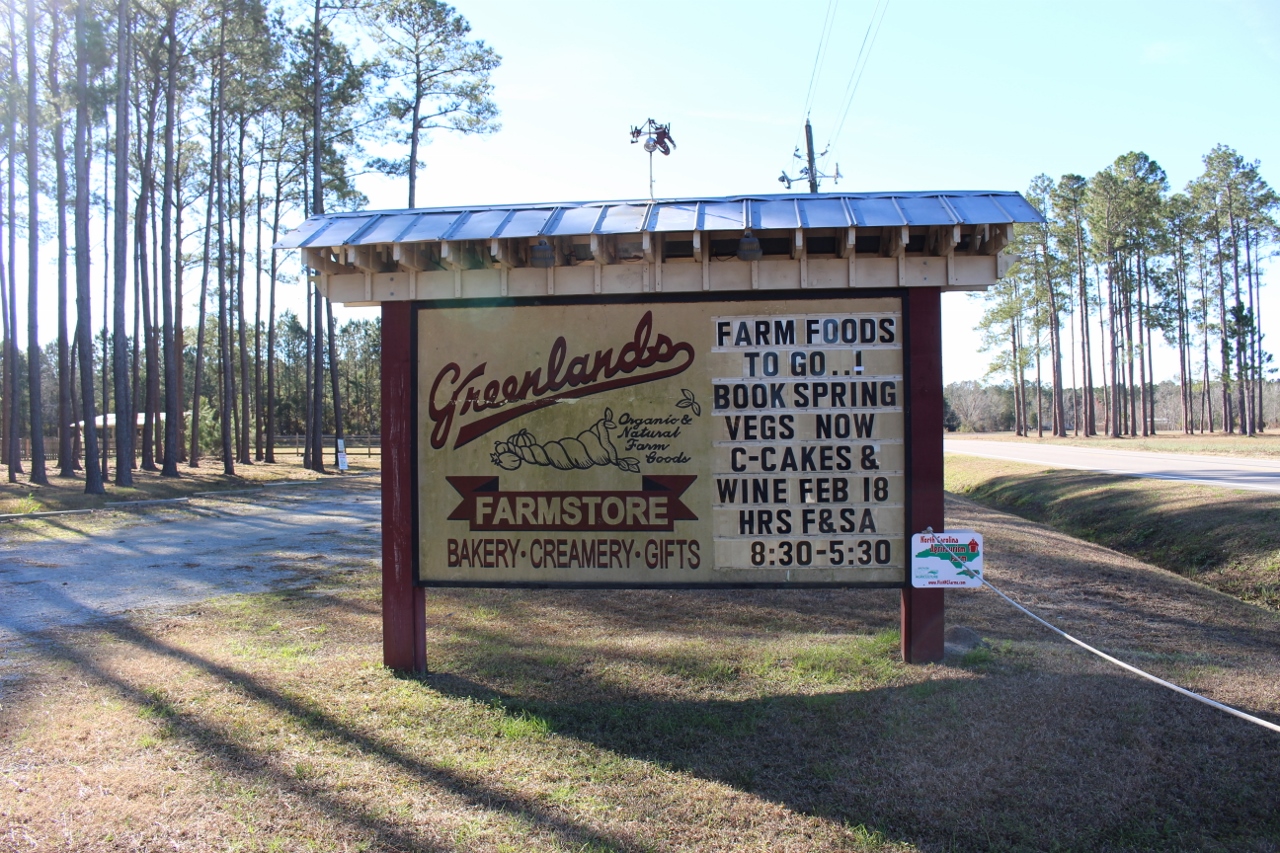
The Greenlands farm store, located in the area of Bolivia known locally as “Half Hell,” sells organic produce from the family-run farm. The store, run by husband and wife Henry and Heather Burkert and their daughter, Maud Kelley, opened five years ago, but has undergone a thorough renovation for the 2017 season.
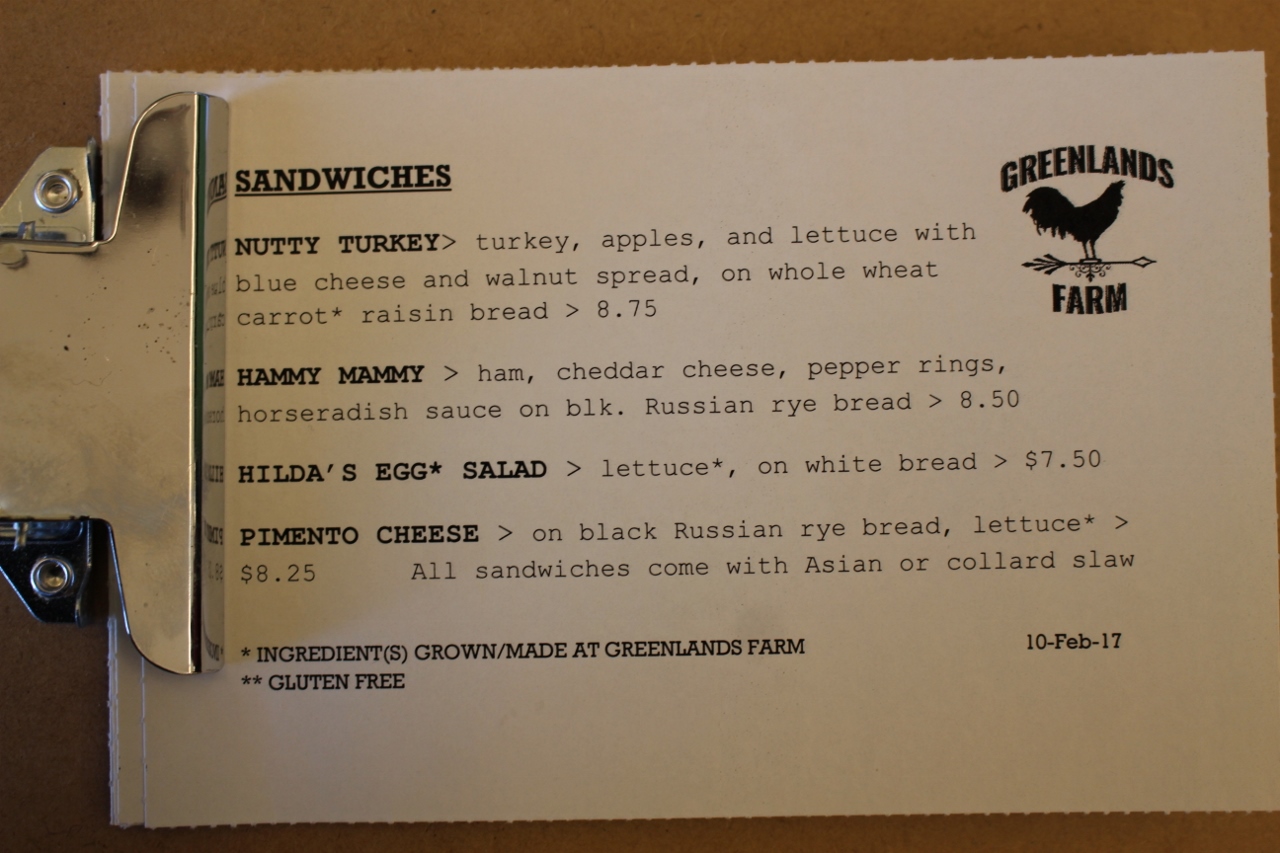
“We’ve redone the interior, which we’re happy with, but we also wanted to focus on our ready-to-go farm foods,” Kelley said.
In addition to these meals, the store also sells farm-made ice cream, as well as a selection of local craft beers and wines from small-farm vineyards.
“We try to use as much as we can from the farm,” Heather Burkett said. “We can’t source everything from our own lands, but we try. What we can’t grow or produce here, we source from other local farms.”

Heather Burkert and her husband Henry both had backgrounds in horticulture and started organic farming back in the early 1970s. That’s when they got interested in ‘homestead’ farming. In 2001 the bought the land that became Greenlands farm.
“Homestead farming is farming to sustain yourself,” Heather Burkert said. “As with organic produce, people think things like sustainable farming are new trends or fads, but it was – once upon a time – just the way families farmed. Whether you made it or not was solely on them.”
Related: Growing the ‘best damn oyster’: Inside the effort to get local oyster farming up to speed
Burkert said customers are often surprised by some of the sustainable practices, like composting and recycling.
“Some people don’t think it’s all buzzwords,” said Kelley. “But we do it. It’s how we would live our lives anyway.”
Another surprise?
“All our produce is tax-free,” Burkert said. “As long as you don’t mess with it, if you’re just taking it out of the ground and selling it, the state doesn’t charge tax – which is something nice they do for farmers to try and make it a little easier for us to do this kind of thing.”
Burkert added that the farm’s produce is priced competitively with organic produce in local stores.
“It’s maybe even a little cheaper on some things because we’re not going through anyone,” Burkert said. “We could charge a little more, I’m sure. But we want people to eat well. We’d rather sell our produce for a little less than have it go to waste.”
The farm store also serves as a rallying point for the farm’s two main missions: Greenlands’ biannual Community Supported Agriculture (CSA), and its educational programs.
“The CSA is the heart of our farm,” Kelley said. “Without that, we couldn’t do the rest of it.”
Greenland’s CSA is a weekly half-bushel package of just-picked produce; customers are essentially investing in that year’s crop – you could call them share-crop holders – and picking up their dividends once a week, starting April 1. Kelley said a CSA is one of the best ways for people in the region to get farm-fresh produce. It is also, she said, part of the farm’s educational efforts.
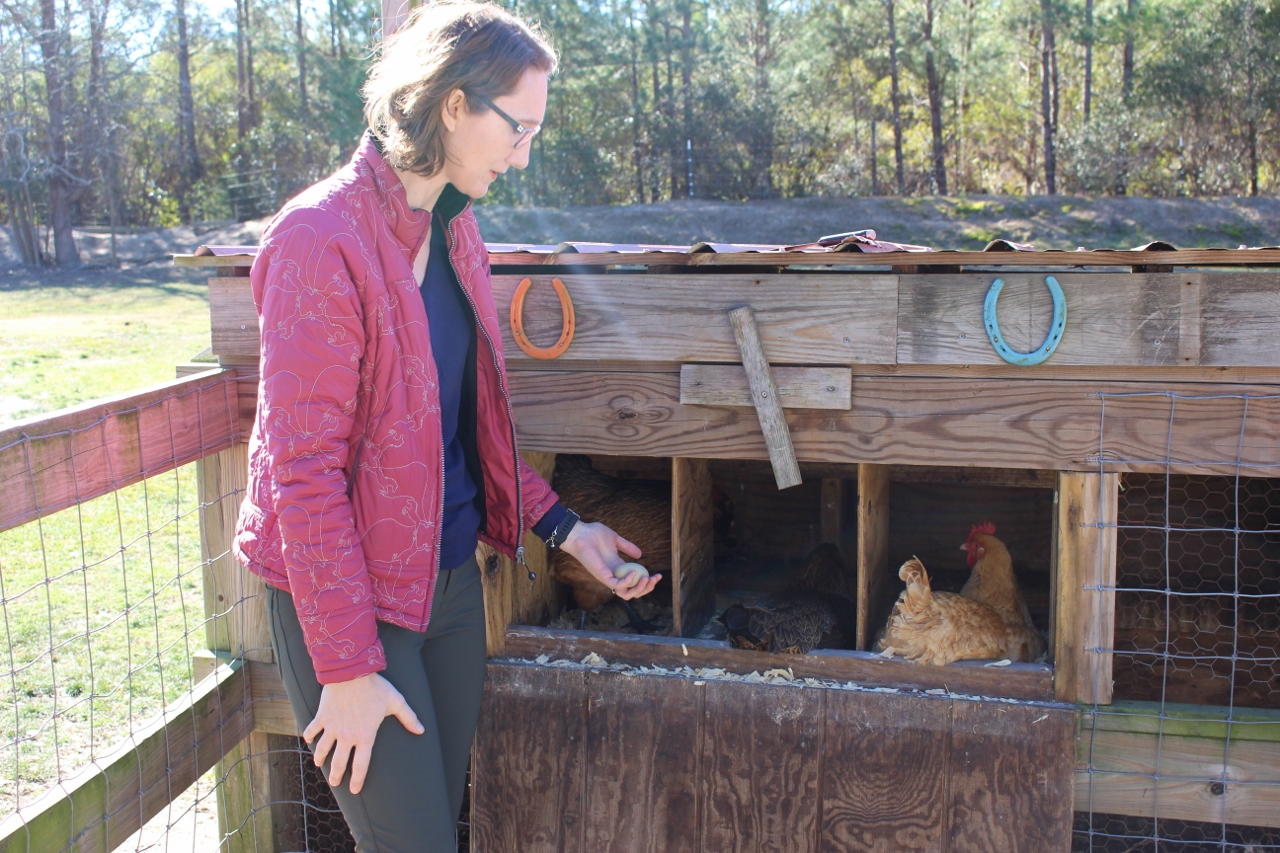
“It is one way customers can learn about what is growing when,” Kelley said. “It’s not about getting tomatoes from somewhere else because it’s February. It’s about finding out what’s growing here, now.”
Burkett added that customers can pick up their CSA boxes from the farm and some regional locations (including one in downtown Wilmington), but that visiting the farm provides an opportunity to see how the farm-store has been preparing that week’s produce.
Beyond getting a culinary education, Greenlands also offers tours of the farm for families and children.
“Some children visiting for their first time, they don’t even know what a goat is,” Burkert said.
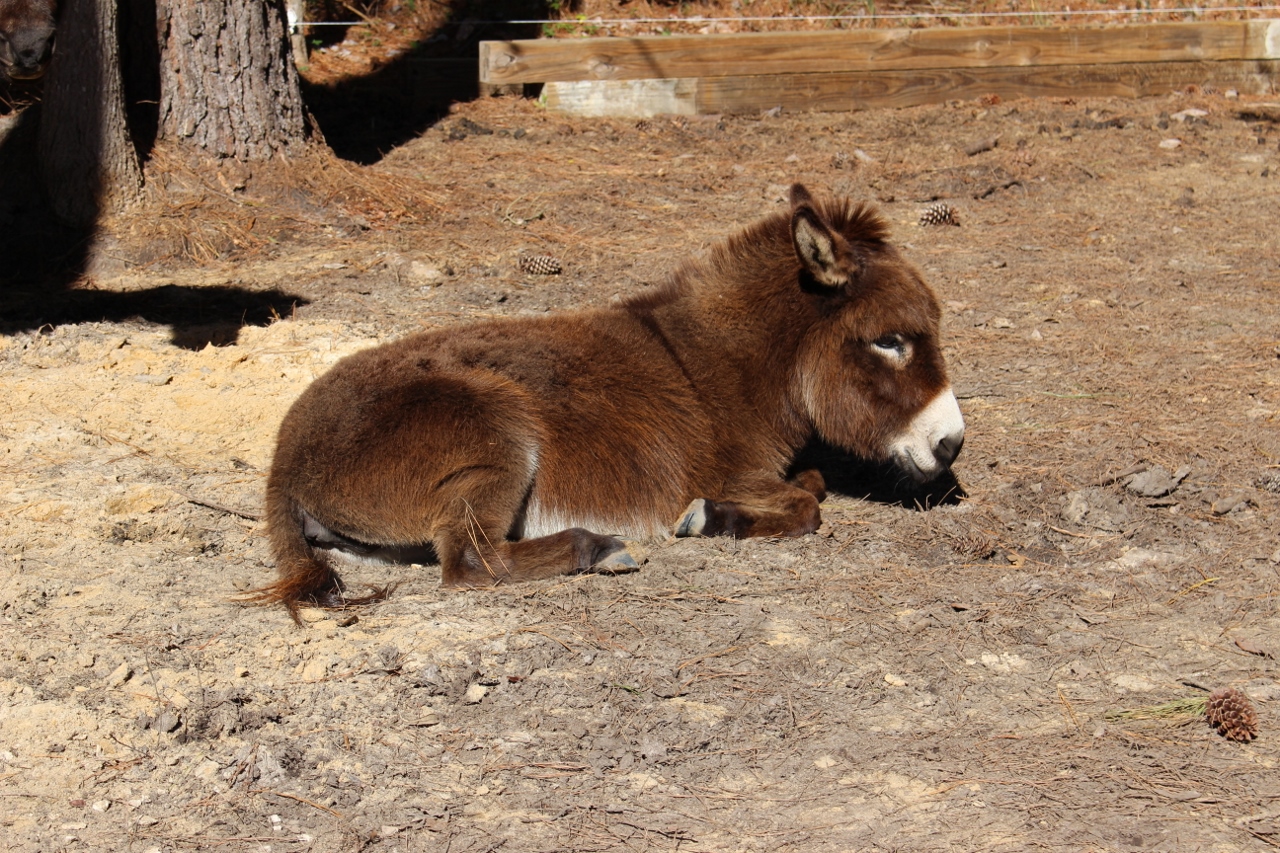
The farm tours include a petting zoo, which is part of Greenlands’ Helpers Of Our Farm program, otherwise known as HOOF. HOOF helps educate children on the roles of animals in agriculture, as well as giving retirement and end-of-life care for animals adopted from other regional farms (tours begin on April 8).
Kelley, a landscape architect, said the farm is also an example of low impact design; the landscape is deliberately arranged to force water flowing through the livestock areas into a retention pond and then a small stream. “The system filters all our water, so that it’s being returned to the county watershed clean.”
Behind the family house shared by the Burkert and Kelley families, the farm’s orchard reaches out, aligned with the rising and setting sun. It’s the setting for the farm’s annual Tapas & Tour event; the families open their house to visitors and serve a multi-course meal, with proceeds going to the farm and its educational programs.
“Farm to table is all about shortening the path from the farm to the fork, this is about as short of a distance as you can travel.”
The farm is also home to the annual Half Hell Folk Festival. Greenlands pairs with Waterline Brewery to host the event in June. “We’ve got more details on that coming soon,” Kelley said. “But we’re planning on teaming up with Waterline to do a special beer, we’ll use something from the farm, some special for the event. It’ll be a good time.”
And why is the place called “Half Hell?”
“Well, there’s two stories I usually tell at the folk festival,” Kelley said. “The first is that there was some moonshining here, and it’s related to that. The other is that, back in the day, farmers from the area had to go down to Southport to pay their taxes. We’re about half-way there, so, you know, you were about half way to hell.”
The Greenlands farm store is located at 668 Midway Road in Bolivia, and is open Fridays and Saturdays, from 8:30 a.m. to 5:30 p.m. For more on the CSA program, the Tapas & Tour, or for other information, visit its webpage.
