

Brenda Tucker, write-in candidate
Pender County Clerk of Superior Court
Career: Retired, former New Hanover County Clerk of Court for two decades
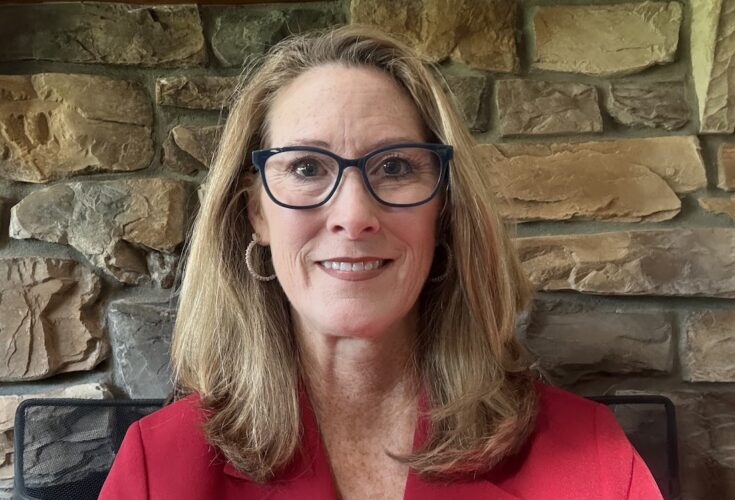
[Ed. note: Brenda Tucker is the mother of former Superior Court Clerk Elizabeth Craver. Craver lost the Republican primary the same day she was found not guilty on three felony counts of obtaining property by false pretenses. There isn’t a Democratic challenger for the seat and Tucker, a registered Republican, didn’t file in December, so her name will not appear on the ballot. Instead, she is running as a write-in candidate.)
Q: Why are you seeking to become Pender County’s Clerk of Superior Court?
A: I have been a permanent resident of Pender County for 16 years after having served as the New Hanover County Elected Clerk of Court for 20 years. I had 28 years of service in the office and absolutely loved the work and public service associated with what, for me, had been a lifelong career.
Unfortunately, due to childcare and family sickness, I made the decision to retire early. Elizabeth Craver, the current clerk and my daughter, was not successful in her re-election bid and I saw that as an opportunity to re-enter the public service field in an area in which I was absolutely qualified and anxious to return.
Obviously, I would not have previously challenged my daughter for the position.
Q: What is your top campaign priority; why?
A: My main goal, initially, will be to create some autonomy for the office and continue on the re-directed path of development it began two years ago. That focus is simply providing the best public service possible the citizens of Pender County deserve and expect from a judicial branch office. The office currently receives high accolades throughout the state for their work product and staff competency. I want to enhance that foundation with ideas from long-term experience. This will be accomplished by education to the public and staff, as to my expectations in what this office actually does, how the processes work and who the appropriate players are depending on the services needed.
Q: What is the biggest challenge facing the office currently, and what steps will you take to help correct it?
A: The courthouse currently suffers with a need to address a space limitation issue. Court cases are being scheduled farther out due to the limited space for courtrooms. My experience with two expansion/new courthouse builds will give me an advantage in compiling the necessary information, needs and players to create a plan to be proactive, rather than waiting until the need is imperative. A delay will potentially result in rushed decisions, which could have a more costly impact on the taxpayers. In addition, it creates a risk of cases getting backlogged in the immediate future.
Q: While state law requires providing certain court records to the public, why is this important, and how will you ensure those records are returned in a timely manner?
A: The NC General Statutes clearly dictate what records are classified as confidential. If a public record is requested, I did, and would, expect the request to be honored within a reasonable time frame.
Q: How do you view the rollout and continuation of the state’s use of eCourts?
A: End users provide critical components to development, which were lacking on the planning team. However, the fact that attorneys/litigants/users can file documents around the clock is extremely beneficial to the public/legal counsel. Obviously, there is a huge component linking LEO and courts, which provides information quickly regardless of time or distance. Having a unified automated/electronic system reduces the physical handling of large volume paperwork/file storage issues to some extent. A significant benefit on the local government is reduction of travel to courthouses, which cuts down on the county need for parking. As with the implementation of a new system, if — through trial and error — changes need to be made, it will be more easily accomplished through digital technology with the eCourt system.
There is currently a great rapport with the clerks in the Pender County office and the users, legal and public, in using and assisting users with the ecourt system. I anticipate that continuing under my leadership.
Q: A clerical error can create severe risk, whether it’s wrongful detention or delayed release. What quality-control measures will you put in place to eliminate mistakes?
A: Consistent procedural policies and training are key. For this to be effective, it requires willing communication between the court/clerk’s office and LEO. Paperwork trails regarding court activity, releases, etc., are documented in the eCourt/Odyssey system, which creates a footprint as to the time, user and type of process performed and by whom to ensure proper steps have been performed and if not, who was neglectful in doing so.
Q: Navigating the legal system can be overwhelming, especially if people aren’t hiring an attorney. What will you bring to the office to help the community maneuver filings?
A: While the clerk’s office cannot practice law, there is a line to walk in what is practice of law vs assisting public with court documentation and informing of procedures, especially with the implementation of eCourt filings. As a former chairman of Rules and Recordkeeping, our committee is responsible for examining new/old legislation, determining whether a form is necessary/beneficial in complying with the requirements of a law for filing, and implementing new procedures/forms to comply with new legislation. There are many individuals who simply cannot afford legal counsel when dealing with some processes of the court. I do not want the legal system to become unavailable to a citizen simply because they do not understand a computer. As I did for 20 years, I will work within the law but make every effort that everyone feels the court system is available to them.
Q: How do you envision collaboration between multiple systems and parties — judges, DA, civil, pro se litigants, community partners — in the courthouse? What steps would you take to strengthen court processes?
A: Unfortunately, when you deal with multiple agencies and department heads, everyone wants to retain “their power.” The key to collaboration is everyone must maintain their focus on the end result, not who should get the credit for making it happen. I worked very hard to stay involved with every agency that possessed a piece of the court puzzle. I will use that experience toward creating solutions that meet the needs of each agency’s requirements and at best, serves the public’s best interests.
Q: The office is partisan, but what will you do to ensure politics stay out of the profession and its operations?
A: This position is not a policy-making role and makes no decisions that affect someone’s political ideology. Therefore, I will do exactly what I did for 20 years: my job.
Q: What is one thing you wish the public knew about the role of this office?
A: Most people do not realize the clerk of court’s office is not part of Pender County government offices. They are not supervised by the county manager, county commissioners or any other county entity. The clerk of court is a state judicial office that conducts court business specific to Pender County. Therefore, the staff are state employees. The connection is solely that the county, by statute, provides facilities and furnishings. The clerk of superior court is an independently elected judicial official, as are judges.
At Port City Daily, we aim to keep locals informed on top-of-mind news facing the tri-county region. To support our work and help us reach more people in 2026, please, consider helping one of two ways: Subscribe here or make a one-time contribution here.
We appreciate your ongoing support.